
China's AI-Driven Green Economy; US Immigration Leadership Change; Lebanon-Israel Ceasefire's Global Impact; China's Diplomatic Balancing with Iran; Domestic Consumption Surge
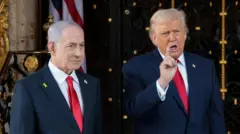
Ceasefire Between Lebanon and Israel: Impact and International Reactions
The recent ceasefire agreement between Lebanon and Israel has garnered significant international attention, highlighting varying narratives and implications for global politics. According to the New York Times, the ceasefire marks a crucial pause in hostilities, with translation provided by Jin Qijiao. The article emphasizes the strategic significance of the ceasefire, suggesting that it could redefine regional stability and influence global energy markets by potentially easing tensions in a volatile area.
The BBC offers a different perspective, focusing on local skepticism and the challenges faced by Israeli leadership in justifying the ceasefire to their citizens. The report highlights how the ceasefire, while reducing immediate violence, has not alleviated underlying tensions, with continued rocket fire from Lebanon indicating persistent instability. The BBC article suggests that the ceasefire may be seen as a temporary measure, with long-term peace remaining elusive. This narrative underscores the need for robust international diplomatic efforts to ensure lasting peace.
Sina.cn's report portrays the ceasefire as a diplomatic success for U.S. President Trump, who is depicted as playing a pivotal role in brokering the agreement. This portrayal reflects the geopolitical influence of the United States in the Middle East and its implications for U.S. foreign policy. The article also notes Iranian reactions, suggesting that the ceasefire was a result of pressure from Iranian-backed factions in Lebanon, adding a layer of complexity to the regional power dynamics.
For international markets and businesses, these developments could mean increased stability in oil prices, as the Middle East remains a critical region for energy supply. The ceasefire also has implications for U.S. and EU policies, potentially affecting their strategic alignments and military engagements in the region. Readers outside China should note the broader strategic implications, as the ceasefire could influence global security frameworks and impact international trade routes.
Overall, these articles collectively illustrate the multifaceted nature of the Lebanon-Israel ceasefire, with each publication offering a unique angle that reflects its editorial stance and geopolitical perspective. The ceasefire's impact extends beyond regional borders, affecting international relations and economic stability, underscoring the interconnectedness of global affairs.
China's Diplomatic Balancing Act: The Iran Factor and Global Implications
Recent developments underscore China's complex diplomatic stance regarding Iran, with implications for global markets and international diplomacy. The New York Times highlights China's reluctance to exert pressure on Iran, attributing this to both limited willingness and capability. This cautious approach reflects China's broader strategy of maintaining economic ties while avoiding direct confrontations, a stance that could influence global oil markets and trade dynamics, given Iran's significant role in global energy supplies.
In contrast, Sina portrays Pakistan as a 'key player' in the US-Iran conflict, suggesting Pakistan's diplomatic maneuvers have positioned it as an essential mediator. This narrative underscores the strategic importance of regional actors in Middle Eastern diplomacy, which could shift alliances and impact geopolitical stability. The involvement of Pakistan, a country with close ties to China, further complicates the geopolitical landscape, potentially affecting US and EU foreign policy strategies.
The New York Times also emphasizes China's careful diplomatic balancing act, which aims to preserve its economic interests without alienating key partners. This approach is crucial for international businesses and investors who rely on stable trade relations with China. Meanwhile, Sina's focus on Pakistan's diplomatic efforts highlights the potential for regional powers to influence peace processes, which may lead to shifts in regional power dynamics and impact global security policies.
Both articles illustrate the intricate web of international relations involving China, Iran, and other key players, demonstrating how these interactions can have far-reaching effects on global markets, energy supplies, and international diplomacy. For international readers, understanding these dynamics is crucial for navigating the complexities of global trade and foreign policy.
China's Booming Domestic Consumption and Its Global Economic Ripple Effects
Recent reports from CCTV highlight a significant shift in China's domestic consumption patterns, emphasizing the rise of diversified and experiential consumption as a new economic driver. This development is particularly noteworthy given the global economic context, where China's domestic market trends can have far-reaching implications.
The articles describe how Chinese consumers are increasingly gravitating towards 'new consumption magnets,' such as technology products and experiential services, including 'cruise plus' packages. These trends are not only reshaping the domestic market but also signaling a broader economic transformation that international investors and businesses should closely monitor. The shift towards high-end technology and services suggests a maturing consumer base with evolving preferences, which could influence global supply chains and demand for luxury and tech products.
Moreover, these insights from CCTV suggest that China's internal market potential is far from exhausted, with continued growth expected in sectors that cater to these new consumer demands. For international markets, this means potential opportunities for foreign companies specializing in tech and experiential services to tap into China's expanding consumer base. It also indicates a possible shift in global trade patterns, as China's demand for imports in these sectors could rise.
From a policy perspective, the focus on boosting domestic consumption aligns with China's broader economic strategy to reduce reliance on exports and bolster internal growth. This strategy could affect international economic relations, particularly with countries heavily reliant on exports to China. For policymakers in the US, EU, and other regions, understanding these consumption trends is crucial for crafting effective trade and economic policies that account for China's evolving market dynamics.
Overall, these developments highlight China's strategic pivot towards a consumption-driven economy, with implications for global economic stability and growth. As China's consumer market continues to evolve, international businesses and policymakers must adapt to the changing landscape to leverage new opportunities and mitigate potential risks.
US Immigration and Customs Leadership Change: Global Implications Amidst Heightened Enforcement
Recent reports from CCTV and Sina highlight the imminent departure of Todd Lyons, Acting Director of the US Immigration and Customs Enforcement (ICE). While CCTV provides a brief mention of the event with minimal details, Sina offers a more comprehensive narrative, noting that Lyons' departure was announced by US Homeland Security Secretary Mark Mayorkas. The reasons for Lyons’ resignation remain unclear, as does his successor, raising questions about the future direction of US immigration policy.
Sina delves into the broader context, emphasizing the Trump administration's intensified efforts against illegal immigration, particularly in states like Minnesota. This crackdown has led to significant enforcement actions, including a controversial incident involving the fatal shooting of two US citizens during a raid in Minneapolis, which sparked nationwide protests. This narrative underscores the domestic tensions surrounding immigration enforcement and the potential for policy shifts under new leadership.
For international audiences, these developments carry significant implications. A change in ICE leadership could signal shifts in US immigration policy, impacting global migration patterns and bilateral relations, particularly with countries that have large diasporas in the US. Businesses with international workforces may also face uncertainties regarding employee mobility and visa policies. Additionally, heightened enforcement measures may affect cross-border trade and logistics, influencing markets that rely on the seamless movement of goods and people.
Strategically, these changes may alter the US's stance on international cooperation on migration issues, affecting negotiations with the EU and other regions. For policymakers and investors outside the US, understanding these dynamics is crucial to anticipating potential disruptions and adapting to new regulatory landscapes.
China's AI-Driven Green Economy: Implications for Global Markets and Policies
China's emphasis on a green economy intertwined with artificial intelligence (AI) is becoming increasingly prominent, as highlighted by a recent article from CCTV. The piece underscores China's commitment to integrating AI into its digital economy to drive sustainable growth, positioning itself as a leader in eco-friendly technological advancements.
This development signals significant implications for international markets and investors. As China leverages AI to enhance its green economy, global companies may find new opportunities and challenges in aligning with China's environmental and technological standards. Investors should be alert to potential shifts in market dynamics, as Chinese innovations in AI could influence global supply chains and competitive landscapes.
For the United States, European Union, and other regions, China's strategy may necessitate policy adjustments to both compete with and collaborate on AI-driven environmental initiatives. This could involve revisiting regulatory frameworks and investing in similar technologies to maintain competitive parity.
International readers should note that China's advancements in AI and green technology could reshape global economic and environmental policies. The strategic blend of AI with sustainability underscores a broader trend where technological prowess is increasingly tied to ecological responsibility, a narrative likely to shape future international trade and policy discussions.