China's AI Open-Source Shift; World Cup Censorship's Global Ripples; US-Iran Oil Talks Impact Markets; China-South Korea Supply Chain Strategies
Today's global headlines highlight China's strategic moves in AI, its complex media control during international sports events, the US's temporary easing of Iran oil sanctions, and China-South Korea's efforts to bolster global supply chains. These developments underscore critical intersections of technology, geopolitics, and economics, with significant implications for international markets and policy frameworks.
China's Strategic AI Integration: Implications for Global Markets and Policies
Recent developments in China's artificial intelligence (AI) landscape underscore a significant shift towards open-source models and large-scale applications, as detailed in a series of articles from Xinhua. The transition from isolated technology applications to a more open and collaborative ecosystem suggests a strategic push by China to become a leading force in AI deployment. This shift is characterized by the initiative "AI+" moving from training to inference stages, with significant increases in token utilization, positioning AI as a new economic unit encompassing computational power and application value.
This move towards open-source models aims to democratize AI capabilities, breaking the monopoly of a few closed-source platforms and allowing wider access for developers and enterprises. For international markets, this could mean increased competition and innovation as more entities can leverage these AI tools, potentially lowering costs and spurring innovation across sectors.
Furthermore, China's Ministry of Commerce and other departments have issued guidelines to accelerate the integration of AI into consumer markets. This includes promoting AI in consumer electronics, smart home devices, and service robots for elderly care, indicating a broad strategy to embed AI deeply into everyday life. This integration could redefine consumer expectations globally, pushing international competitors to enhance their AI offerings to keep pace.
In another dimension, the concept of embodied intelligence, which involves AI systems interacting in real-time with physical environments, is gaining momentum. As reported by Xinhua, this involves advances in sensory interaction, decision-making, and control, with potential applications spanning from humanoid robots to autonomous systems. The global implications are profound, as these technologies could revolutionize industries such as logistics, healthcare, and manufacturing, prompting shifts in labor markets and regulatory landscapes worldwide.
These articles collectively highlight China's strategic positioning in the AI sector, not just as a market leader but as a pivotal player influencing global AI standards and practices. For policymakers in the US, EU, and other regions, understanding China's AI trajectory is crucial for formulating competitive strategies and regulatory frameworks that ensure technological and economic security.
China's Censorship at the World Cup: A Global Significance
In a fascinating intersection of sports and politics, recent reports indicate that China's censorship practices have extended to the broadcasting of the World Cup, particularly during matches involving Argentine football legend Lionel Messi. According to Liberty Times, Chinese broadcasts have been deliberately avoiding close-ups of Messi, opting instead for wide-angle shots whenever he scores or celebrates. This approach seems to stem from deeper political disagreements, notably Messi's past actions perceived as political defiance, such as his support for a Chinese dissident.
The New York Times also touches on China's involvement in the World Cup but focuses on the role of Chinese referee Ma Ning. The article highlights the global curiosity and debates surrounding Ma's officiating decisions, which have become a trending topic online. It subtly underscores the increasing global presence and influence of Chinese figures in international sports, reflecting China's broader ambitions on the world stage.
These developments indicate a complex interplay between sports, politics, and media control, highlighting the extent of China's influence in global events. For international markets and businesses, this scenario underscores the challenges of operating within and engaging with a media landscape heavily influenced by political considerations. It also signals potential risks for international companies reliant on Chinese partnerships, especially in sectors like sports marketing and broadcasting.
For policymakers in the US, EU, and beyond, China's approach to media control during the World Cup serves as a reminder of the broader geopolitical tensions and the need for strategic engagement with China. It raises questions about the balance between diplomatic relations and advocating for political freedoms, particularly in international arenas where soft power is at play.
Ultimately, for readers outside China, these stories offer a glimpse into how political narratives can shape seemingly apolitical events, impacting global perceptions and interactions. The strategic implications of China's actions at the World Cup extend beyond sports, touching on issues of censorship, international relations, and the global flow of information.
US Temporarily Lifts Iran Oil Sanctions: Global Oil Prices React and Strategic Implications Unfold
Recent reports from The New York Times and Sina highlight a significant geopolitical development: the United States has temporarily lifted sanctions on Iranian oil. This move is part of ongoing negotiations perceived as 'fruitful' by US officials, aimed at easing Middle Eastern tensions and potentially stabilizing the energy market.
The New York Times article delves into the diplomatic intricacies, emphasizing the broader geopolitical context. The US decision is seen as a strategic maneuver to not only de-escalate regional tensions but also to bring Iran back to the negotiating table regarding its nuclear program. This development carries significant implications for international markets, particularly as it may lead to increased oil supply, potentially stabilizing or even lowering global oil prices in the short term.
In contrast, Sina's coverage focuses more on the immediate economic impacts. The report notes a visible decline in international oil prices following the announcement, with specific figures highlighting a 2.62% drop in light crude futures and a 3.3% decrease in Brent crude futures. This immediate market reaction underscores the interconnectedness of geopolitical decisions and global economic stability. For international investors and businesses, this could mean a period of reduced energy costs, which might influence inflationary pressures and economic planning in the US, EU, and beyond.
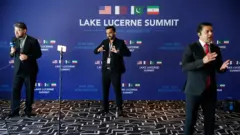
Both articles point to the strategic significance of the US-Iran talks held in Switzerland, where progress seemed promising enough to allow nuclear inspectors back into Iran. This aspect is crucial for global security and non-proliferation efforts, potentially reshaping US and EU policies towards Iran and the broader Middle East.
For international readers, the broader implications are clear. The US's decision reflects a tactical shift in its Middle Eastern policy, which could influence global energy markets, affect regional alliances, and alter the strategic balance in the region. Such developments are vital for policymakers, investors, and businesses worldwide to monitor, as they could herald changes in energy policies, security frameworks, and economic strategies globally.
China-South Korea Business Cooperation and Global Supply Chain Developments
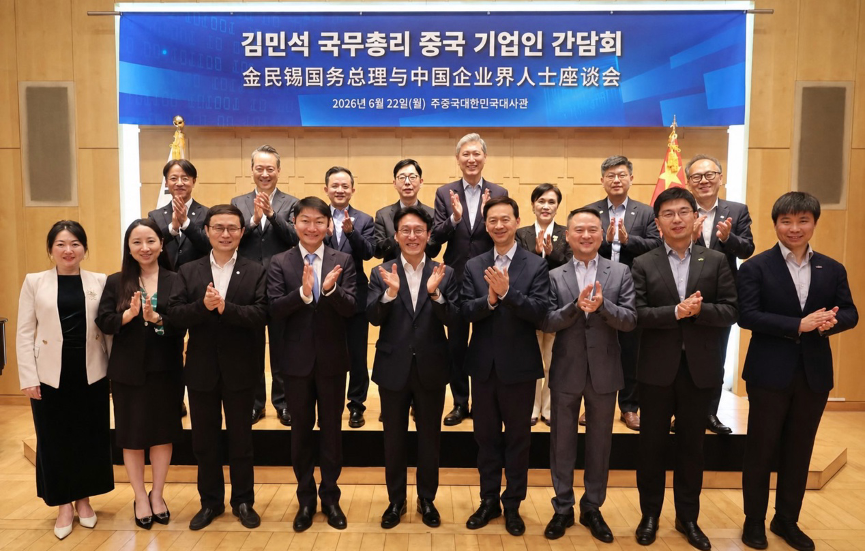
Recent developments in China-South Korea relations highlight a significant focus on fostering business cooperation and strengthening global supply chains. The Global Times reports on South Korean Prime Minister Kim Min-seok's visit to Beijing, emphasizing the practical significance of deepening industry chain cooperation for both nations' high-quality development. This meeting underscores the importance of Sino-South Korean collaboration in stabilizing and enhancing global supply chains, which holds implications for international markets and investors seeking stability and growth opportunities in Asia.
Meanwhile, the Qiushi Journal delves into the Fourth China International Supply Chain Promotion Expo in Beijing, portraying it as a pivotal platform for global supply chain collaboration. The event underscores China's commitment to open cooperation, presenting opportunities for extensive international engagement. With features like the introduction of an AI-focused zone, the expo reflects China's ambition to drive innovation and digital transformation across industries. This development is crucial for global businesses and policymakers, as it suggests a shift towards integrated and resilient supply chain models, potentially impacting trade dynamics and economic policies worldwide.
The articles collectively highlight China's strategic intent to position itself as a leader in global trade and supply chain management. For the US, EU, and other regions, these developments may necessitate adjustments in trade policies and economic strategies to align with China's expanding influence in global supply chains. Moreover, China's emphasis on innovation and technology integration in supply chains could set new standards for international trade, prompting businesses to adapt to increasingly digitized and efficient models.