China's Diplomatic and Technological Strategies; US-Iran and North Korea Engagements; India-Israel Tech Alliance; US Military Moves in Middle East; AI's Impact on Global Reading
China's Diplomatic Engagements and Technological Innovations: Global Implications and Strategic Impact
Recent events highlight China's dual focus on diplomatic outreach and technological innovation as key pillars of its global strategy. These developments indicate a concerted effort by China to enhance its international influence while simultaneously advancing its domestic capabilities in critical industries.
CCTV reports on China's diplomatic engagements, underscoring President Xi Jinping's meetings with Western leaders, including Germany's Chancellor Scholz. These interactions are framed as part of China's 'yuan shou' diplomacy, which emphasizes harmony and cooperation despite differences. The narrative suggests that China seeks to position itself as a reliable partner for global cooperation, particularly with major economies like Germany. This approach could impact international markets by fostering a more stable geopolitical climate, potentially easing tensions that affect global trade and investment.
Meanwhile, Sina focuses on China's technological advancements, particularly in innovation-driven industries such as aerospace and materials science. The article details breakthroughs like the 'China Sky Eye' (FAST telescope) and advancements in high-performance carbon fibers, illustrating China's commitment to leading in high-tech fields. These advancements have significant implications for global tech competition, as they enhance China's capabilities in areas like AI and aerospace, potentially challenging US and EU dominance in these sectors.
The news highlights China's strategic use of technology as a tool for economic growth and geopolitical leverage. By fostering innovation, China aims to reduce its reliance on foreign technologies and bolster its position as a global tech leader. This could lead to shifts in global supply chains, affecting international businesses and investors who depend on Chinese technology and manufacturing.
Overall, these stories illustrate China's comprehensive strategy to engage with the world diplomatically while strengthening its technological base. For international markets, businesses, and policymakers, understanding these dynamics is crucial, as China's actions could influence global trade patterns, regulatory environments, and the balance of technological power.
US-Iran Nuclear Talks: Diverging Narratives and Global Stakes
Recent discussions between the United States and Iran regarding nuclear negotiations have concluded with varying interpretations of their outcomes. The Xinhua article highlights the conclusion of the talks in Geneva, emphasizing the strategic implications for the region, while hinting at the potential for a follow-up meeting in Abu Dhabi. This narrative underscores the importance of continued dialogue to address security barriers and economic recovery in the region, which could influence international markets by potentially stabilizing oil prices and encouraging foreign investment in Iran.
Conversely, Liberty Times presents a more cautious view, noting the lack of a definitive agreement and the persistent risk of military conflict. The report suggests that despite claims of "significant progress," tensions remain high, with potential implications for global security and the geopolitical balance in the Middle East. This perspective is crucial for international readers as it highlights the ongoing uncertainty that could impact global energy markets and regional security dynamics.
Sina's coverage offers a balanced view, acknowledging both the progress made and the challenges that remain. The article points out areas of near-consensus, suggesting that while significant hurdles persist, there is room for optimism. This nuanced approach is relevant for policymakers and businesses as it indicates a potential path forward that could lead to reduced sanctions and increased economic engagement.
The World Journal article echoes the theme of "significant progress," yet it also notes the ongoing military maneuvers in the Middle East, highlighting the broader strategic implications of the talks. For international audiences, this underscores the dual-track approach of diplomacy and military preparedness, affecting global defense strategies and economic policies.
Overall, these articles reflect the complexity and high stakes of US-Iran negotiations, with each publication offering a unique lens on the potential outcomes. For international investors, businesses, and policymakers, understanding these narratives is crucial to navigating the potential shifts in regional stability and global market dynamics.
Escalating Border Clashes Between Afghanistan and Pakistan: Regional Instability and Global Implications
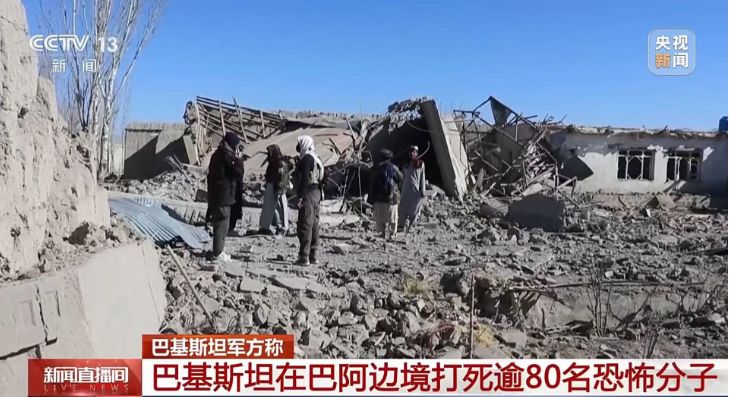
Recent reports from Xinhua, CCTV, and Sina highlight a significant escalation in border clashes between Afghanistan and Pakistan, with both sides reporting substantial casualties and damage. The exchanges of fire have intensified following airstrikes launched by Pakistan in response to what they described as provocations by Afghan forces. These developments signal a deterioration in the already fragile relationship between the two nations.
According to Xinhua, the conflict began with Pakistani airstrikes targeting Afghan military installations, leading to Afghanistan's call for a ceasefire. However, Pakistan continued its operations until it deemed its objectives met. Afghan government spokesperson Mujahid confirmed that Afghan forces retaliated by capturing several Pakistani military posts, resulting in heavy casualties on both sides. This narrative underscores the severity of the conflict and the high stakes involved.
CCTV and Sina offer similar accounts, emphasizing the ongoing nature of the skirmishes and the significant loss of life on both sides. CCTV highlights that the clashes have persisted despite calls for peace, with both nations accusing each other of misjudging the situation and launching unprovoked attacks. Sina reports that the conflict has placed additional strain on already tense regional dynamics, with previous ceasefire agreements failing to yield lasting peace.
For international markets and policymakers, these developments are consequential. The escalation could destabilize trade routes and supply chains critical to the region and beyond, potentially impacting global markets. For the US and EU, the instability presents both a challenge and an opportunity for diplomatic engagement to mediate peace, given their strategic interests in the region. Moreover, investors should be wary of the potential risks associated with geopolitical instability in South Asia, which could affect regional economic growth and security.
Overall, the conflict between Afghanistan and Pakistan underscores the broader strategic implications of regional tensions, which have the potential to ripple through international relations and economic stability. International readers should pay close attention as these developments unfold, given their far-reaching impact on global security and economic landscapes.
North Korea Signals Conditional Engagement with the US: Global Implications and Strategic Shifts
Recent statements from North Korean leader Kim Jong-un have attracted significant international attention, highlighting a potential shift in diplomatic dynamics on the Korean Peninsula. According to World Journal, Kim Jong-un has indicated that North Korea is open to friendly relations with the United States, conditional on the US abandoning its hostile policies. This stance was echoed during a recent Labor Party congress in North Korea, where Kim emphasized the country's continued commitment to strengthening its nuclear capabilities.
This development has been reported with varying emphasis by different media outlets. The Liberty Times underscores North Korea's dual approach of expressing willingness to engage with the US while simultaneously criticizing South Korea's government as deceitful and hostile. Kim's comments suggest a strategic play to drive a wedge between the US and South Korea, potentially altering the regional balance of power.
For international markets and investors, these developments could signal a shift in regional stability, impacting everything from defense stocks to consumer goods markets in Asia. The US and EU's policy responses will likely focus on balancing engagement with North Korea against maintaining strong alliances with South Korea and Japan.
Globally, the prospect of renewed US-North Korea dialogue could lead to a recalibration of military postures and economic sanctions, affecting global supply chains and trade dynamics. For policymakers, the strategic implications are profound, requiring careful navigation to avoid escalation while seeking diplomatic breakthroughs.
US-Cuba Maritime Incident Raises Tensions: Global Implications for Security and Diplomacy
Recent reports from Sina and Liberty Times highlight a significant maritime incident between the United States and Cuba, underscoring escalating tensions in the Caribbean. The incident involved a U.S.-registered speedboat allegedly entering Cuban waters, resulting in an exchange of gunfire that left one American citizen dead and another injured. Cuban authorities stated that the speedboat carried armed individuals intending to infiltrate Cuba, leading to a confrontation that resulted in casualties on both sides.
The Sina report emphasizes the Cuban government's stance on protecting national sovereignty and stability, as stated by President Díaz-Canel, while expressing a willingness to exchange information with the U.S. This narrative aligns with a protective national posture and a call for dialogue, likely intended to portray Cuba as a sovereign nation under threat, seeking cooperation rather than confrontation.
In contrast, the Liberty Times article frames the event as a significant escalation, noting that the individuals on the speedboat were Cuban nationals residing in the U.S. with potential criminal backgrounds. This perspective highlights the complexity of U.S.-Cuba relations, suggesting that the incident may be tied to broader issues of migration and dissent against the Cuban government. The narrative suggests an underlying tension in U.S.-Cuba relations, potentially exacerbating diplomatic strains.
For international markets and investors, this incident may signal potential instability in the Caribbean region, affecting tourism, trade routes, and investment climate. The U.S. response, as indicated by statements from Secretary of State Blinken, suggests a cautious approach, emphasizing independent investigations to ascertain the facts. This approach reflects a broader U.S. strategy of balancing national security interests with diplomatic engagement.
Globally, the incident underscores the fragile nature of U.S.-Cuba relations and the potential for regional conflicts to impact international diplomacy. For policymakers in the U.S., EU, and beyond, this event highlights the importance of maintaining open lines of communication and the risks associated with maritime security in contested waters. It also raises questions about the role of expatriate communities in geopolitical tensions and the need for comprehensive policies addressing migration and security.
India-Israel Strategic Partnership Deepens, Affecting Global Technology and Defense Markets
Recent developments underscore the intensifying strategic partnership between India and Israel as both nations signed 16 cooperation agreements. The agreements span critical technology sectors, including artificial intelligence, quantum technology, and key mineral resources. This collaboration is poised to significantly impact global technology markets and defense industries.
qq.com reports that the agreements also include plans to establish agricultural research and innovation centers in India, focusing on drone utilization, satellite data sharing, and pest management. This move not only enhances bilateral relations but also positions India and Israel as key players in global agricultural technology innovation.
From a geopolitical perspective, the partnership elevates India-Israel relations to a "special strategic partnership," signaling a shift in regional alliances. As Sina highlights, Indian Prime Minister Modi's remarks during his visit to Israel emphasized the deep cultural and economic ties, likening the countries' relationship to a familial bond, with Israel as the "fatherland" and India as the "motherland." This rhetoric suggests a strategic alignment aimed at counterbalancing regional adversaries.
For international markets, this partnership could mean increased competition in the technology and defense sectors, particularly as both nations leverage their strengths in innovation and production. The agreements are likely to influence policy decisions in the U.S. and EU, especially concerning technology exports and defense collaborations.
Moreover, the focus on quantum technology and artificial intelligence collaboration could accelerate advancements in these fields, impacting global supply chains and potentially leading to new regulatory frameworks in technology governance.
Overall, the India-Israel agreements highlight a strategic pivot with far-reaching implications for global markets, political alliances, and technological innovation. International investors and policymakers should closely monitor the developments as they could reshape competitive dynamics in technology and defense industries worldwide.
US Deploys F-22 Raptors to Israel Amidst Rising Middle East Tensions: Global Implications and Strategic Shifts
Recent satellite imagery has revealed the deployment of 11 US F-22 'Raptor' stealth fighter jets to the Ovda Airbase in southern Israel. This development, reported by Sina and CCTV, underscores a significant military maneuver in the Middle East, marking the latest round of US military deployments in the region. The F-22 Raptor, renowned for its air-to-air and air-to-ground combat capabilities, is a fifth-generation fighter that holds a technological edge over existing or anticipated adversary aircraft. The US Air Force has emphasized that the F-22's performance surpasses any currently known or foreseeable fighter jets.
From an international perspective, this deployment has several implications. For investors and businesses, it signals heightened geopolitical risk in the Middle East, a region critical for global oil supply and trade routes. Such military posturing could lead to increased volatility in energy markets, influencing global oil prices and impacting industries reliant on stable energy costs.
For US and EU policymakers, the presence of advanced US military assets in Israel may necessitate a reassessment of regional security strategies and alliances. It also highlights the US's commitment to maintaining a strategic military edge, which could influence defense spending and military procurement decisions in allied nations.
Moreover, the deployment of the F-22s, which the US prohibits from being sold to other countries due to its classified technology, reaffirms the strategic partnership between the US and Israel. This move could be interpreted by other regional powers as a demonstration of US commitment to its allies, potentially affecting diplomatic relations and regional power dynamics.
The broader strategic implication is the reinforcement of US presence in the Middle East amidst ongoing geopolitical tensions, which could further complicate diplomatic efforts in the region. For readers outside China, understanding these developments is crucial, as they represent a shift in military focus that may have ripple effects across global markets and international relations.
AI-Driven Reading Revolutionizes Global Knowledge Access and Engagement
The article from Xinhua examines the transformative impact of AI on reading habits, as outlined in China's forthcoming legislation promoting national reading. The piece highlights how AI technology is reshaping the traditional reading landscape by introducing interactive and personalized reading experiences. AI-driven reading tools like ChatGPT and DeepSeek allow users to engage with texts in a dynamic, bidirectional manner, enhancing understanding and efficiency.
This development carries significant implications for international markets and businesses. By increasing access to personalized information and educational content, AI reading tools can democratize knowledge and learning, potentially impacting global education markets and creating new opportunities for educational technology companies. The ability to process complex documents quickly and interactively can also enhance productivity in the corporate sector, influencing how businesses handle information and decision-making processes.
For policymakers in the US, EU, and beyond, the shift towards AI-assisted reading underscores the need to consider digital literacy and access as part of educational and technological policy frameworks. It highlights the importance of investing in digital infrastructure to ensure equitable access to these advanced tools, thereby reducing the digital divide.
Globally, this trend towards AI-driven reading could foster greater cross-cultural understanding and collaboration. As AI facilitates easier access to diverse information sources, it may promote a more informed and interconnected global citizenry. However, the article also cautions about potential downsides, such as the risk of diminishing critical thinking skills and the challenges of ensuring content quality and avoiding algorithmic biases.
Overall, the integration of AI into reading practices is not just a technological evolution but a cultural shift with far-reaching implications. It challenges traditional notions of reading and knowledge consumption, urging societies to balance technological efficiency with the preservation of critical and creative thinking skills.