China's Diplomatic Maneuvers in Europe; US-Iran Tensions Heighten; Ukraine Seeks China Ties Amid Energy Crisis
China's Diplomatic Engagements in Europe: Strategic Partnerships and Global Implications
Recent diplomatic activities involving China, Austria, the United States, and Serbia during the Munich Security Conference have highlighted China's strategic intent to strengthen multilateral cooperation and reinforce bilateral ties. These engagements reflect China's broader geopolitical strategy and have significant implications for international markets, businesses, and global political dynamics.
The Chinese Foreign Ministry reported that Foreign Minister Wang Yi met with Austrian Foreign Minister Alexander Schallenberg, emphasizing the importance of multilateralism and strategic autonomy for Europe. China expressed support for Austria's unique position in Europe and encouraged Austrian enterprises to seize opportunities in China's digital economy. This reflects China's approach to fostering economic partnerships that could influence EU economic policies and create avenues for European businesses in Chinese markets.
In a related report, Xinhua News Agency detailed Wang Yi's meeting with U.S. Secretary of State Antony Blinken. The discussion underscored the importance of dialogue over confrontation, aiming for a stable and cooperative U.S.-China relationship. Such diplomatic overtures are crucial as they can affect international trade policies, investor confidence, and the global economic landscape, particularly in sectors like technology and manufacturing where U.S.-China tensions are most pronounced.
Meanwhile, another report from the Chinese Foreign Ministry covered Wang Yi's meeting with Serbian President Aleksandar Vučić. The dialogue centered on mutual support for sovereignty and territorial integrity, with China applauding Serbia's independent stance against external interference. This highlights China's strategy of forming alliances with countries that share similar views on sovereignty, which could influence regional stability in Eastern Europe and shape EU foreign policy responses.
Finally, a CCTV report provided a more domestic perspective, focusing on President Xi Jinping’s engagements within China, underscoring his connection with the populace and emphasizing socio-economic development. While this piece adds less to the international narrative, it reinforces the image of a stable and people-focused leadership, which is integral to China's global soft power strategy.
These developments indicate China's proactive diplomacy aimed at enhancing its influence in Europe and with global powers like the U.S. The strategic partnerships and dialogues highlighted in these reports are not only pivotal for China's foreign relations but also have broader implications for international policies, economic cooperation, and geopolitical stability. International readers should note how these engagements could reshape trade dynamics, influence regional security policies, and affect global economic conditions, making them critical for investors, policymakers, and businesses worldwide.
Fatal Plane Crash in Colorado: Implications for Aviation Safety and International Markets
Recent reports from CCTV and Sina highlight a tragic aircraft accident in Colorado, USA, where a small plane crashed, resulting in the deaths of three to four individuals. The incident occurred near the city of Steamboat Springs, with the aircraft identified as a single-engine E1000 model from the American manufacturer Epic Aircraft. Investigations by the United States National Transportation Safety Board (NTSB) are underway to determine the cause of the crash.
The differing accounts from Sina and CCTV regarding the number of casualties—three as per some reports and four according to others—highlight the uncertainties that often accompany initial reports of aviation incidents. This discrepancy underscores the importance of thorough investigation and accurate reporting, especially in matters concerning public safety and aviation standards.
The crash has broader implications for international markets and aviation safety. As the global aviation industry continues to recover from the impacts of the COVID-19 pandemic, incidents like this may prompt regulatory bodies in the US and other countries to re-evaluate safety protocols and aircraft certifications, potentially affecting manufacturers and airlines worldwide. For investors and businesses, this could mean increased scrutiny on aviation stocks and potential delays in aircraft deliveries if new safety measures are implemented.
For policymakers in the US and EU, the incident serves as a reminder of the critical importance of maintaining stringent safety standards and could influence future regulations aimed at preventing similar tragedies. Furthermore, as China continues to expand its domestic aviation industry, incidents in the US may offer lessons in safety management and regulatory practices that could be adapted to improve China's aviation safety record.
International readers, especially those involved in the aviation industry or investment sectors, should monitor the outcomes of the NTSB investigation, as any findings could have significant implications for global aviation safety standards and market dynamics.
US-Iran Tensions Escalate as US Pressures for Nuclear Agreement Amid Military Posturing
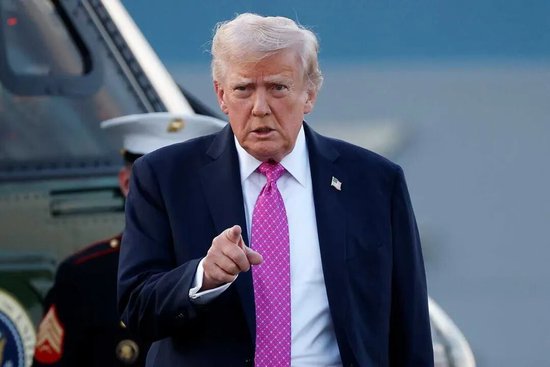
Recent developments have highlighted intensifying tensions between the United States and Iran, as the US administration under President Trump applies pressure on Iran to reach a nuclear agreement. The situation is further complicated by military maneuvers in the region, which are drawing international attention and concern.
According to CCTV, President Trump emphasized that Iran must take action to avoid missing a 'good opportunity' for a deal, signaling a critical diplomatic moment. The report notes upcoming trilateral talks between Russia, the US, and Ukraine, suggesting potential shifts in regional alliances and strategies.
Meanwhile, Liberty Times reports that the US has deployed the USS Ford, its most advanced aircraft carrier, to the Middle East as a show of force. This move is intended to increase pressure on Iran, indicating that failure to comply with US demands could lead to severe consequences, potentially reminiscent of past military conflicts like the '12-day war' scenario.
Another report by CCTV reiterates the urgency expressed by the US for Iran to reach an agreement within a month, warning of 'severe consequences' otherwise. The Iranian side, however, suggests that discussions could proceed positively if US demands are not excessive, hinting at potential diplomatic openings.
These developments indicate a critical juncture for US-Iran relations with significant global implications. For international markets and investors, the heightened tensions could lead to volatility in oil prices and supply chain disruptions. Additionally, the military posturing by the US underscores its commitment to maintaining influence in the Middle East, which could affect regional stability and international diplomatic efforts.
For US and EU policymakers, these events stress the importance of strategic diplomacy in addressing nuclear proliferation while managing geopolitical risks. The broader strategic implications include potential shifts in alliances and the need for coordinated international responses to prevent escalation.
Overall, the situation underscores the interconnectedness of regional conflicts and global economic and security dynamics, emphasizing the need for international readers to monitor these developments closely.
Paris Knife Attack Highlights Ongoing Security Concerns with Global Implications
Recent events in Paris underscore the persistent threat of violence at high-profile locations, reflecting broader security challenges with international ramifications. On February 13th, a knife-wielding assailant attacked a military officer near the iconic Arc de Triomphe during a commemorative ceremony. The attacker, who was neutralized by police, had a history of terrorism-related offenses, heightening concerns about recidivism among radicalized individuals.
The Liberty Times detailed the incident's escalation, noting the attacker's previous conviction for a terrorist act in Belgium, which draws attention to the cross-border nature of terrorism threats within Europe. This aspect is critical for international audiences, as it highlights vulnerabilities in monitoring and reintegrating former offenders, which could impact security policies across the EU and beyond.
CCTV's coverage (CCTV News) emphasized the swift response by French authorities and the ongoing investigation by the national anti-terrorism prosecutor's office. This response demonstrates France's robust counter-terrorism measures, yet also suggests the need for enhanced international cooperation in intelligence sharing to prevent such incidents.
For global investors and businesses, these developments signal potential disruptions in tourism and heightened security costs, especially in major European cities known for their cultural and historical significance. The incident also serves as a reminder for policymakers in the US and EU to evaluate and potentially strengthen their counter-terrorism strategies, considering the broader implications of such attacks on public safety and international relations.
Ukraine's Diplomatic Shift: Acknowledging China's Role Amidst Energy Crisis
Recent diplomatic interactions between Ukraine and China signify a notable shift in Ukraine's foreign policy amidst its ongoing conflict with Russia. The Ukrainian Foreign Minister, Dmytro Kuleba, expressed gratitude towards China for its humanitarian aid and emphasized the potential for deepening bilateral trade relations. This narrative was prominently featured in both Tencent and Sina articles, highlighting China's significant role as Ukraine's largest trading partner and the strategic importance of maintaining strong economic ties.
Both articles report on the meeting between Ukrainian and Chinese foreign ministers, underscoring Ukraine's appreciation for China's decision to provide additional humanitarian energy assistance. This is particularly crucial given the energy attacks Ukraine is facing from Russia, which have also affected Chinese companies operating in Ukraine. The acknowledgment of China's support is a strategic move by Ukraine, aiming to secure more robust economic and humanitarian aid from China, which is crucial for Ukraine's energy resilience.
Interestingly, both publications highlight Ukraine's commitment to the 'One China' principle, reflecting a diplomatic balancing act between acknowledging China's territorial integrity claims and seeking its support. This stance might aim to ensure continued Chinese backing in global forums and possibly leverage China’s influence in encouraging Russia towards peace negotiations.
For international markets and businesses, these developments suggest a potential stabilization in Ukraine's economic environment, which could lead to improved trade flows and investment opportunities, especially for companies involved in energy and reconstruction projects. For policymakers in the US, EU, and other regions, Ukraine's engagement with China could influence diplomatic strategies and sanctions related to the Russia-Ukraine conflict, potentially requiring adjustments in geopolitical alignments and aid strategies.
The articles further touch on Ukraine's desire to engage with Chinese leadership at higher levels, likely seeking to strengthen political ties and secure long-term economic support. This diplomatic pivot underscores a broader strategy by Ukraine to diversify its international partnerships amidst geopolitical tensions.
Overall, these reports from Tencent and Sina present a narrative of Ukraine leveraging its diplomatic avenues with China to mitigate the impacts of its ongoing conflict with Russia. This highlights the intricate balance of international relations and the strategic role China plays in global geopolitics, especially in conflict zones where its economic and diplomatic influence can be pivotal.
Power Outages Threaten Key Hospital in Gaza: Implications for International Aid and Stability
Recent developments in the Gaza Strip highlight a critical situation at the Al-Aqsa Martyrs Hospital, as reported by CCTV and Sina News. Both publications report that the hospital, a major public healthcare provider in central Gaza, faces a severe operational risk due to a complete failure of its main power generators, with maintenance parts and lubricants in short supply.
This crisis underscores the fragility of essential services in conflict zones, where infrastructure is often vulnerable to disruptions. The reports indicate that the hospital is currently relying on smaller, less stable generators, which cannot adequately support critical medical departments such as the intensive care unit and neonatal incubators. This situation places hundreds of patients and medical staff at risk, posing a significant humanitarian threat.
The global implications of this development are profound. For international markets and businesses, it signals potential disruptions in aid logistics and the need for increased humanitarian assistance. From a policy perspective, the US, EU, and other regions may need to reassess their aid strategies and diplomatic efforts in the region to ensure stability and support for essential services in Gaza.
Furthermore, these events highlight the broader strategic and economic implications of infrastructure vulnerabilities in conflict zones. For international readers, understanding the challenges faced by critical facilities like the Al-Aqsa Martyrs Hospital is essential for comprehending the complexities of delivering aid and maintaining stability in politically sensitive regions. This situation may necessitate a reevaluation of international commitments to infrastructure support and crisis management in the Gaza Strip and similar areas worldwide.