
China's Diplomatic Moves and Tech Ambitions; US-Iran Tensions Escalate; Global Security and Market Impacts
China's Diplomatic and Economic Initiatives: Global Implications of Recent Developments
Recent events highlight China's strategic diplomatic and economic initiatives, with significant global implications. The meeting between China's Foreign Ministry official Shen Minfan and the outgoing Pakistani ambassador underscores Beijing's commitment to deepening its strategic partnership with Pakistan. This is part of a broader effort to solidify alliances and enhance China's influence in South Asia. International markets and investors should note that China's strengthening ties with Pakistan may affect regional stability and trade dynamics, particularly in the context of China's Belt and Road Initiative (BRI).
Meanwhile, the acceptance of credentials by Hong Yan, Assistant Minister of Foreign Affairs, from the new EU ambassador to China signifies a continued dialogue between China and the European Union. This interaction reflects ongoing efforts to balance economic cooperation with geopolitical tensions, especially in areas like trade, technology, and human rights. For the EU and its member states, maintaining open channels with China is critical for addressing global challenges such as climate change and digital governance.
Further illustrating China's global economic ambitions, the Global Trade in Services Summit in Beijing emphasized China's focus on expanding its service trade sector. Vice Premier Ding Xuexiang's remarks highlighted the importance of high-quality development in services trade, which is crucial for China's economic transition and integration into the global economy. The global services trade landscape, including sectors like finance, logistics, and digital services, stands to benefit from enhanced cooperation with China, offering new opportunities for international businesses and investors.
Finally, the Inclusion·Bund Conference in Shanghai, with its theme "Co-creating a New AI Economy," showcased China's leadership in AI innovation. With over 300 tech companies participating, this event highlighted advancements in AI applications across industries such as healthcare, manufacturing, and logistics. For the global tech community, China's AI developments present both collaborative opportunities and competitive challenges, influencing international tech policies and innovation ecosystems.
These developments indicate China's strategic maneuvering in diplomacy, economy, and technology, with far-reaching impacts on international markets, policies, and strategic alliances. Understanding these dynamics is essential for global stakeholders navigating the complexities of China's rise on the world stage.
China's Strategic Role in Global Nuclear Diplomacy and Regional Stability
Recent developments underscore China's active role in mediating international nuclear issues and regional stability, with significant implications for global diplomacy and market dynamics.
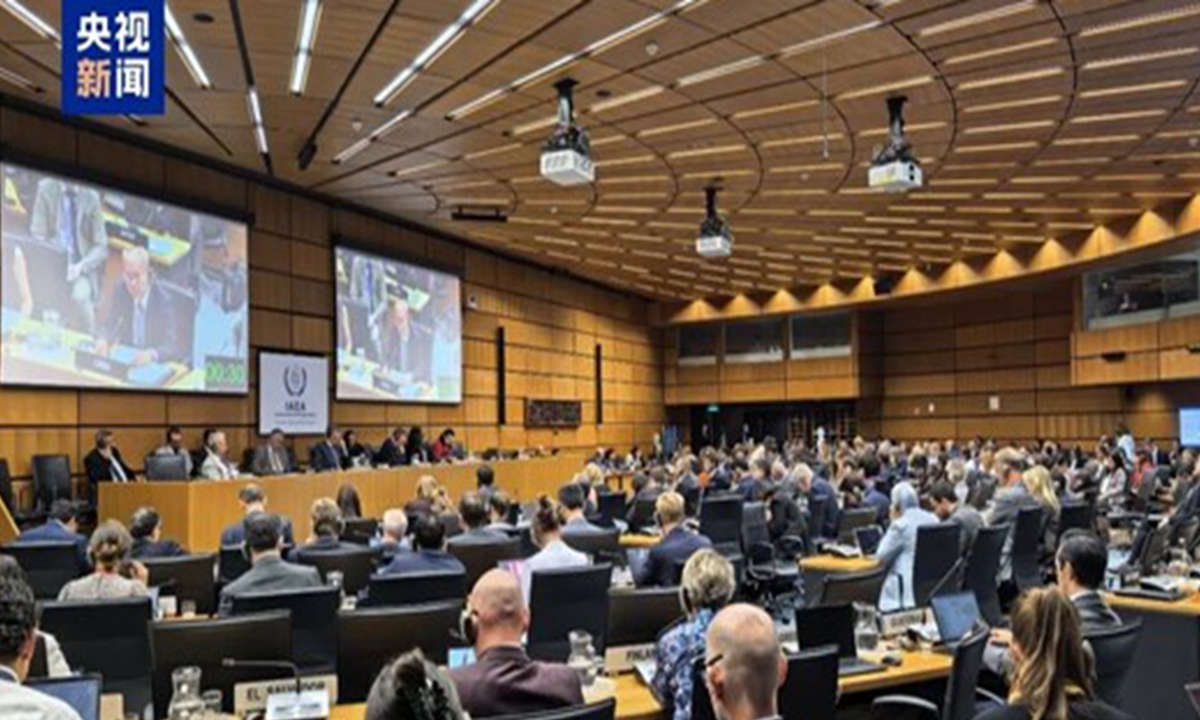
The Global Times highlights China's firm stance at the International Atomic Energy Agency (IAEA), where Chinese Ambassador Li Song rejected a draft resolution concerning Iran's nuclear program. China's consistent advocacy for dialogue over confrontation in nuclear matters emphasizes its strategic positioning as a stabilizing force in global nuclear diplomacy. This stance could influence international markets by potentially easing geopolitical tensions that often lead to market volatility.
In another dimension of China's diplomatic efforts, the World Journal reports on China's willingness to mediate discussions between North Korea and the United States, notably through a proposed summit involving North Korean leader Kim Jong-un and former South Korean President Park Geun-hye. China's involvement as a mediator highlights its aspiration to maintain influence on the Korean Peninsula, a region critical to East Asian security dynamics. The potential for renewed dialogue could impact U.S. and EU policies by altering the strategic calculus in the region and affecting sanctions and military posturing decisions.
While the CCTV News article on Norwegian seafood exports to China adds little to the core theme of nuclear diplomacy and regional stability, it nonetheless reflects China's broader strategy of deepening economic ties globally. Such economic engagements can serve as soft power tools, potentially influencing geopolitical alliances and trade policies.
These developments indicate China's multi-faceted approach in leveraging its diplomatic influence to shape regional and global security architectures. For international businesses and investors, this could mean a more predictable geopolitical environment, with reduced risks of abrupt escalations, thereby stabilizing markets. Furthermore, China's actions in these arenas may prompt recalibrations in U.S. and EU foreign policies, particularly in how they engage with Asia-Pacific security issues and nuclear non-proliferation efforts.
Philippine Ferry Fire: A Maritime Tragedy with Global Safety Implications
Recent reports from Xinhua and CCTV highlight a tragic maritime incident in the Philippines, where a ferry caught fire, resulting in the death of five individuals and leaving 87 others unaccounted for. This incident occurred near the coastal waters of Palawan province and has prompted ongoing search and rescue operations.
Xinhua reports that the immediate response has been focused on search and rescue, indicating a significant mobilization of local resources. The emphasis on rescue efforts underscores the urgency and scale of the disaster, reflecting the challenges that developing nations face in maritime safety and crisis response.
CCTV's coverage is notably brief, primarily confirming the incident and the number of casualties and missing persons, without delving into the broader context or implications. This brevity may suggest an editorial choice to focus on the facts without exploring the systemic issues at play.
Internationally, this incident raises pressing questions about maritime safety standards and the enforcement of regulations, particularly in Southeast Asia, where ferry transport is a critical mode of travel. Investors and businesses operating in the region must consider the impact of such safety issues on supply chains and regional stability. Moreover, the tragedy underscores the importance of international cooperation in improving maritime safety protocols, which could affect policy decisions in the US, EU, and other regions involved in maritime trade with the Philippines.
The broader strategic implications include potential shifts in regional policies towards enhanced safety measures and increased scrutiny on maritime operators. For international markets, this incident could trigger a reevaluation of risk assessments related to transportation and logistics in the region, influencing insurance premiums and investment decisions.
US and Iran Tensions Escalate Over Natanz Nuclear Site: Global Implications
Recent discussions surrounding the potential U.S. military action against Iran's Natanz nuclear facility, referred to as 'Pickaxe Mountain,' highlight a significant geopolitical tension with global repercussions. President Trump has been vocal about the possibility of striking the site, urging Iran to exercise caution. This development is covered by both Liberty Times and Sina, each offering nuanced perspectives.
The Liberty Times article underscores the strategic importance of Natanz, noting its fortified underground facilities and proximity to uranium enrichment operations. The piece emphasizes Trump's rhetoric at a Republican event in Delaware, suggesting that any Iranian provocations could lead to a decisive U.S. response. This narrative seems aimed at highlighting the U.S.'s strong stance and the potential for military escalation.
Meanwhile, Sina's coverage provides additional context by including Iran's denial of any nuclear activity at the site, quoting the Iranian Foreign Ministry's spokesperson who dismissed U.S. concerns as pretexts for aggression. This portrayal suggests a diplomatic angle, focusing on Iran's narrative of defending its sovereignty against perceived U.S. overreach.
For international audiences, the implications of these tensions are profound. A U.S. strike on Natanz could destabilize the Middle East, affecting global oil markets and increasing geopolitical risk premiums. Investors and businesses worldwide should be aware of potential disruptions in supply chains and energy prices. Moreover, this situation could influence U.S. and EU foreign policies, potentially leading to shifts in alliances and diplomatic strategies.
These developments indicate a critical juncture in U.S.-Iran relations, with potential ripple effects across global markets and geopolitics. Readers outside China should consider how this escalation might impact international trade, regional stability, and global economic conditions.
Apple's Foldable iPhone Duo Sparks Global Tech Competition and Market Reactions
Apple's introduction of its first foldable smartphone, the iPhone Duo, has generated significant buzz across the technology landscape, highlighting the intensifying competition in the global smartphone market. This development is particularly noteworthy due to its implications for international markets, businesses, and investors, as well as its potential to influence US, EU, and other regional policies.
The New York Times reports that the launch of the iPhone Duo marks Apple's entry into the foldable phone market, a segment that has been largely dominated by Samsung for several years. The article emphasizes the strategic significance of this move, as it positions Apple to compete more directly with Samsung and other major players in the tech industry. This could potentially shift market dynamics, prompting companies to innovate and adapt to maintain their competitive edge.
Meanwhile, Liberty Times focuses on the competitive tensions between Apple and Samsung, highlighting Samsung's critical response to Apple's new product. Samsung's public statements, which ridicule the iPhone Duo as a reheated version of existing technology, underscore the rivalry between the two tech giants. This narrative suggests that Samsung aims to defend its market share by questioning Apple's innovation credibility, which may influence consumer perceptions and purchasing decisions globally.
The introduction of the iPhone Duo also raises broader strategic and economic implications. For international markets, the launch could lead to increased competition, potentially driving down prices and fostering innovation across the smartphone industry. For businesses and investors, understanding these competitive dynamics is crucial for making informed decisions about market positioning and investment strategies.
From a policy perspective, the competition between Apple and Samsung could impact regulatory discussions in the US, EU, and other regions regarding tech standards, intellectual property, and consumer protection. Policymakers may need to navigate these developments to ensure fair competition and protect consumer interests.
Overall, Apple's entry into the foldable phone market with the iPhone Duo not only signifies a pivotal moment for the company but also sets the stage for a broader shift in the global tech landscape. As the competition heats up, stakeholders worldwide will need to stay informed and agile to respond effectively to these evolving market conditions.
China's Youth-Driven Technological Ambitions Signal Global Economic Shifts
Recent coverage from CCTV highlights the increasing involvement of Chinese youth in the fields of robotics, commercial spaceflight, and low-altitude economy. The average age of teams behind projects like the 'Shenzhou' spacecraft and 'Beidou' satellite navigation system is just 30, underscoring the rapid rise of young innovators in China's technological landscape. This focus on youth aligns with President Xi Jinping's vision for a science-driven future, positioning young talent as pivotal in achieving China's technological self-reliance and strength.
This development is significant for international markets and investors, as China's push for innovation could lead to shifts in global supply chains and technological leadership. As China accelerates its efforts in technology, there could be increased competition in sectors like AI, aerospace, and telecommunications. For the US, EU, and other regions, this necessitates a reassessment of policies related to tech innovation, education, and industry collaboration to maintain competitiveness.
Another article from CCTV briefly touches on the broader economic revitalization through industrial advancements, particularly in older districts. While less detailed, it reinforces the narrative of China leveraging industry to catalyze regional economic growth, which could further enhance China's position in the global economic hierarchy.
The emphasis on youth in technological sectors not only highlights China's internal policy priorities but also signals potential geopolitical shifts as these young leaders contribute to China's global ambitions. International readers should note these developments as they may influence global economic strategies, foster new partnerships, and reshape competitive landscapes across industries.
Iranian Missile Strikes on Jordan Base Escalate US-Iran Tensions, Highlighting Global Security Risks
Recent reports from CCTV and Liberty Times detail an escalation in military tensions as Iranian forces launched a significant missile strike on the Muwaffaq Salti Air Base in Jordan, which hosts US military personnel. The attack involved medium-range ballistic missiles armed with cluster munitions, resulting in damage to multiple American military aircraft. Notably, an A-10 Thunderbolt, also known as the Warthog, suffered severe damage with a missing wing, while approximately eight F-15s sustained lighter damage.
These developments indicate a significant escalation in US-Iran tensions, with potential global implications. For international markets and investors, this could signal increased volatility in energy markets, especially considering Iran's strategic positioning in the oil-rich Middle East. The attack underscores the vulnerability of US forces in the region, which could lead to shifts in military deployment strategies and increased defense spending.
From a policy perspective, this incident may prompt the US and its allies, particularly in the EU, to reassess their diplomatic and military strategies concerning Iran. The use of cluster munitions and the scale of the attack may also reignite debates over arms control and the ethical implications of such weaponry. The global community, especially countries involved in Middle Eastern geopolitics, should closely monitor the situation as it could affect international security frameworks and alliances.
Furthermore, the narrative differences between CCTV and Liberty Times reflect varied regional perspectives. CCTV's coverage is brief, focusing on the damage and quoting official sources to emphasize the factual nature of the incident. In contrast, Liberty Times provides more detailed accounts, including the strategic use of cluster munitions and the potential for further escalation, possibly aiming to highlight the gravity and potential consequences of the attack.
Overall, this incident serves as a stark reminder of the fragile state of Middle Eastern geopolitics and its capacity to affect global security and economic stability. Stakeholders worldwide should remain vigilant and proactive in addressing the underlying tensions to prevent further deterioration of regional and international peace.
Drone Incident Near Moldovan Airspace Raises Tensions and Global Concerns
Recent developments involving a Russian drone entering Moldovan airspace, leading to a temporary shutdown of the airspace and delaying Ukrainian President Volodymyr Zelenskyy's flight, have captured international attention. This incident highlights the ongoing geopolitical tensions in Eastern Europe and their potential global implications.
World Journal's coverage emphasized the immediate security response by Moldovan authorities, who detected the drone and subsequently closed their airspace. The article suggests that the drone, identified as a Russian Shahed model, might have targeted Zelenskyy's aircraft, although investigations are ongoing to confirm this.
In contrast, Sina reported on the incident with a focus on the diplomatic activities of Zelenskyy, highlighting his participation in the funeral of Norway's King Harald V and subsequent discussions with Norwegian officials on military support for Ukraine. Sina's narrative suggests a broader context of international diplomatic engagements affected by security threats.
Both articles indicate the strategic importance of Moldovan airspace as a transit route for Ukrainian officials, underscoring the ongoing security challenges in the region. This incident not only raises concerns over airspace security in Eastern Europe but also calls attention to the broader implications for international travel and diplomatic missions.
For international markets and investors, this development signals potential risks in Eastern European airspace, which could affect flight routes and logistics. Additionally, it may influence regional security policies in the EU and NATO, as member states reassess their air defense capabilities and collaborative security measures.
Overall, this situation exemplifies the interconnectedness of regional security issues and global diplomatic activities, urging international stakeholders to closely monitor geopolitical developments in Eastern Europe.