Escalating Middle East Tensions; US-NATO Relations Questioned; China's Strategic Shifts Amid Global Unrest
Iran's Escalating Conflict with Israel and the US: Global Repercussions and Strategic Implications
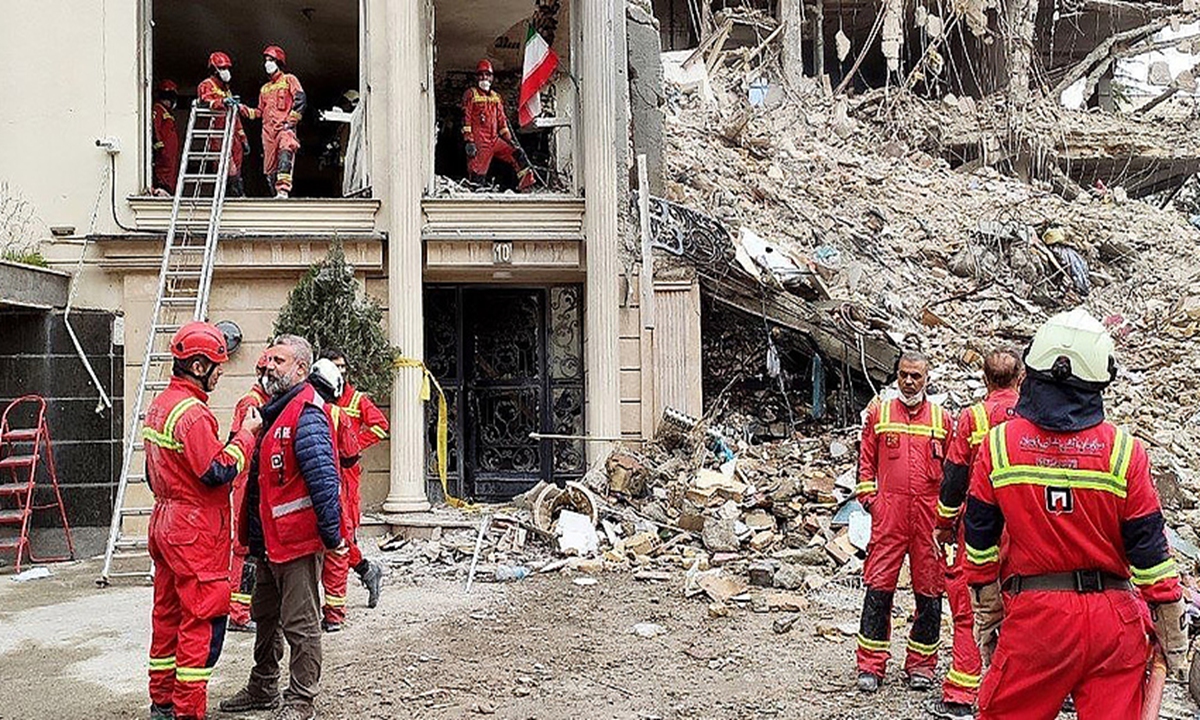
The recent intensification of military actions involving Iran, Israel, and the United States has captured global headlines, highlighting the escalating tensions and their potential international implications. The conflict, centered around Iran's capital, Tehran, and extending to key military and nuclear facilities, underscores a complex geopolitical landscape with significant global ramifications.
Sina News reports that Tehran witnessed its largest scale attack in recent times, marked by intense bombardment and the persistent activation of air defense systems. This escalation is attributed to Israeli military actions targeting Iranian political objectives in Tehran. The coverage emphasizes the severity of the situation without delving into the broader strategic implications.
Meanwhile, another report from Sina highlights the Israeli Defense Forces' (IDF) declaration of targeting Iranian governmental targets in Tehran, suggesting a direct confrontation with significant geopolitical consequences. The narrative here is more explicit about Israel's military strategy, potentially signaling a hardening stance in the region.
The World Journal offers a detailed account of Iran's missile attacks on a Saudi airbase, resulting in injuries to U.S. military personnel and damage to aerial refueling planes. This report underscores the broader regional impact, noting Saudi Arabia's potential involvement and the depletion of U.S. air defense resources, which could strain American military capabilities in the Middle East.
CCTV focuses on Iran's accusations against the U.S. and Israel for targeting its nuclear facilities, including a heavy water reactor, which remains unscathed due to preemptive safety measures. This narrative highlights the ongoing nuclear tensions and Iran's resilient defensive strategies, which could influence future diplomatic negotiations.
Sina reports on the U.S. media's coverage of Iran's attacks on Saudi bases, injuring American soldiers. This perspective provides insight into the U.S. military's challenges in maintaining operational security in the face of persistent Iranian aggression.
In a broader geopolitical context, another Sina article reports on Iran's vow for severe retaliation following U.S. and Israeli airstrikes on its nuclear and steel facilities. This narrative suggests a potential escalation in military engagements, which could destabilize the region further.
The World Journal again reports on Iran's nuclear facilities being targeted, with international nuclear organizations calling for restraint to avoid nuclear accidents. This highlights the global nuclear safety concerns and the potential for international diplomatic interventions.
Sina News further details U.S. officials' acknowledgment of the injuries sustained by American troops during Iranian attacks, emphasizing the ongoing risks to U.S. military personnel in the region.
Finally, Liberty Times reports on the potential for U.S.-Iran peace talks, with U.S. special envoy Steve Witkoff expressing optimism for negotiations. This development suggests a possible diplomatic avenue to de-escalate tensions, which could have far-reaching implications for regional and global stability.
Overall, these reports collectively highlight the escalating military tensions between Iran, Israel, and the U.S., with significant implications for international markets, regional policies, and global security. The persistent conflict underscores the potential for broader geopolitical shifts, affecting energy markets, international diplomatic relations, and global security frameworks.
US-NATO Relations Under Scrutiny: Implications for Global Security Alliances
Recent statements by former US President Donald Trump have sparked significant debate regarding the future of US involvement in NATO, and these comments have been covered differently by various international media outlets. In an article by Liberty Times, Trump expressed dissatisfaction with European NATO members' lack of substantial support to the US, hinting that America might not need to remain in NATO. He criticized European countries for not providing adequate backing to US military actions, such as those in Iran, and questioned the commitment of the US to NATO's Article 5, which states that an attack on one member is an attack on all.
This narrative is echoed by World Journal, which reported that Trump accused NATO of making a grave mistake by not participating in US military endeavors. He argued that the financial burden on the US to protect NATO members is excessive, suggesting a potential reevaluation of US financial commitments to the alliance. This sentiment raises questions about the sustainability of traditional security arrangements and could signal a shift in international defense strategies.
These developments indicate a potential realignment of global security alliances, with significant implications for international markets and investors. If the US reduces its commitment to NATO, European countries might need to increase their defense spending, impacting their economic policies and financial markets. For the US and EU, this could lead to a reassessment of defense priorities and budgets, influencing everything from military contracts to geopolitical strategies.
For readers outside of China, these stories highlight the evolving dynamics of international alliances and the strategic recalibrations that might follow. As China seeks to expand its influence, changes in US-NATO relations could affect global power structures and security policies. Understanding these shifts is crucial for policymakers and investors who must navigate the uncertainties of an increasingly multipolar world.
French Language's Global Expansion: Implications for International Communication and Culture
Recent developments highlighted in the RFI report discuss the 2026 edition of the 'World French Language Report'. This quadrennial publication, overseen by the Organisation internationale de la Francophonie (OIF), has positioned the French language as a 'pluricentric' language, meaning it is shaped by various cultural and social influences across different regions.
The report underscores the growing number of French speakers, now nearing 4 billion, and highlights French as the fourth most common language on the internet. However, only 4% of online content is in French, compared to 24% in English. This disparity suggests significant potential for growth in digital French content, which could influence global media landscapes and international communication strategies.
For international markets and businesses, this expansion indicates a broadening audience for French-language media and content, presenting opportunities for engagement and influence in Francophone regions. For policymakers, particularly in the US and EU, understanding and leveraging this linguistic growth could enhance cultural diplomacy and economic ties with French-speaking countries.
The narratives in these articles from RFI emphasize the dynamic and adaptive nature of the French language, reflecting its integration into various cultural contexts. This adaptability is a strategic asset, potentially enhancing France's soft power and cultural influence globally.
Beijing's Blossoming Spring: A Local Phenomenon with Broader Implications for Urban Tourism and Cultural Exchange
As spring arrives in Beijing earlier than usual this year, the city becomes a vibrant showcase of nature's beauty, attracting both local residents and international tourists. According to a report from Tencent News, Beijing's meteorological observatory has declared that spring officially began on March 22, 2026, four days earlier than the average date from 1991 to 2020. This shift, while local in nature, serves as a microcosm of broader climate trends that could impact agricultural patterns, tourism, and urban planning on a global scale.
The article highlights the cultural and historical allure of locations such as Zhihua Temple, where ancient pear trees bloom against the backdrop of Ming Dynasty architecture. This not only enhances Beijing's appeal as a cultural hub but also positions it as a significant player in the global tourism market, inviting international visitors to experience China's rich heritage firsthand. The implications for global tourism industries are noteworthy, as such cultural attractions could influence travel patterns and market dynamics.
Moreover, the creation of a 'Cherry Blossom River' along Beijing's North Canal, as reported by Tencent News, underscores the city's efforts to integrate natural beauty into urban spaces. This initiative reflects a growing trend in urban planning towards creating sustainable and aesthetically pleasing environments, a concept that cities worldwide are increasingly adopting. Such developments could inspire similar projects internationally, fostering a global exchange of ideas in urban design and ecological sustainability.
Meanwhile, CCTV News offers a broader view, emphasizing the joyous celebration of spring across China. This narrative not only highlights the cultural significance of the season but also suggests a potential for increased domestic and international cultural exchanges. Such exchanges could strengthen diplomatic ties and foster mutual understanding between China and other nations, impacting international relations positively.
Overall, while these articles primarily focus on local events, the broader implications for international markets, cultural exchange, and urban development are substantial. For international readers and investors, understanding these trends is crucial as they reflect China's growing influence in global tourism, urban planning, and cultural diplomacy.
Iranian Parliament Speaker Accuses US of Disinformation to Control Oil Prices: Global Implications
In recent developments, Iranian Parliament Speaker Ali Larijani has publicly accused the United States of disseminating disinformation to manipulate global oil prices. This claim, reported by both Sina and World Journal, suggests that the US's strategy has backfired, as the market has become desensitized to such tactics, with Larijani stating that "no one buys it anymore."
Sina highlights Larijani's criticism, emphasizing the notion that the US's approach, while appearing forceful, lacks intelligence. This perspective underscores a growing skepticism towards US actions in the Middle East, potentially influencing global perceptions of American influence in energy markets.
World Journal echoes this sentiment, noting that the US's strategy is seen as prematurely executed, which may lead to diminished trust and effectiveness of such disinformation campaigns in the future. The report suggests that this could weaken the US's ability to sway market dynamics, particularly in the face of rising global energy demands.
For international markets, this development signals potential volatility in oil prices as traditional methods of influence may lose efficacy. Investors and businesses should be aware of the shifting dynamics in oil markets, which could impact global supply chains and energy costs.
From a policy perspective, the EU and other regions dependent on stable oil prices might need to reassess their energy security strategies. This situation also highlights the broader strategic implications of information warfare in geopolitical contests, prompting a need for enhanced scrutiny of market-influencing narratives.
Overall, these reports illustrate the complex interplay between geopolitical strategies and global economic stability, with significant ramifications for international actors engaged in the energy sector.
China's Strategic Resilience amid Middle Eastern Turmoil and Global Political Challenges
Recent developments highlight China's strategic positioning in the face of the ongoing Iran conflict and its broader implications on international markets and geopolitical strategies. According to Radio France Internationale, the Iran conflict has tested China's energy security, highlighting its dependency on Middle Eastern oil and gas imports. This situation underscores the vulnerabilities China faces, as disruptions have pressured its energy supply and prices, affecting both domestic and international markets.
China's strategic response to this challenge has been to accelerate its energy transition policies, focusing on electric vehicles and renewable energy. This shift not only aims to reduce dependence on volatile Middle Eastern resources but also positions China as a leader in the global clean energy sector. Such moves are crucial for international investors and businesses, as they could reshape energy markets and supply chains worldwide.
Furthermore, the conflict has brought to light China's careful diplomatic balancing act. By avoiding direct involvement, China maintains its non-aligned stance, which is critical given its complex web of interests in the Middle East and its desire to avoid direct confrontation with the United States. This diplomatic posture could influence global power dynamics, particularly in regions where U.S. influence is contested.
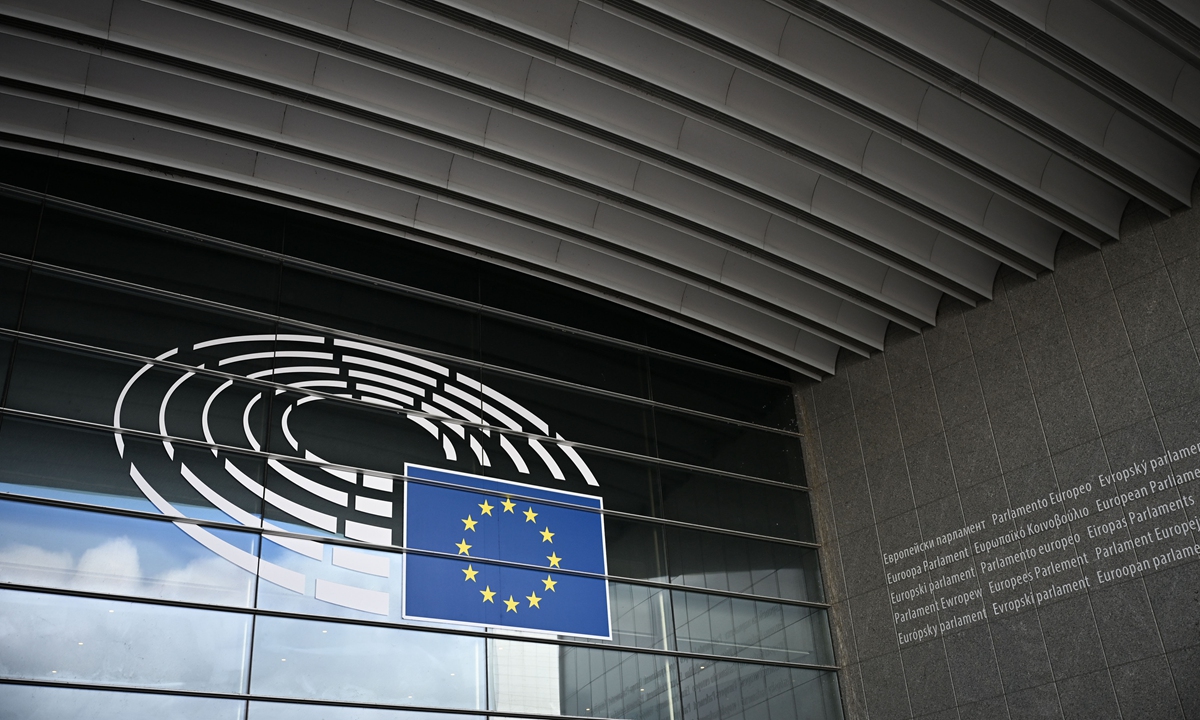
The Global Times article, while not directly addressing the Iran conflict, reflects China's broader geopolitical strategies. It emphasizes China's rejection of Western criticism, such as the European Parliament's resolution on Hong Kong, showcasing China's firm stance against external political pressures. This narrative is vital for understanding China's domestic policy priorities and its implications for international relations, especially as tensions between China and Western powers continue to evolve.
In summary, these articles collectively illustrate how China's strategic decisions in energy and diplomacy are not only responses to immediate challenges but also long-term strategies with significant global implications. As China continues to navigate these complex issues, its actions will undeniably impact international markets, regional policies, and the global geopolitical landscape.