
Global Ripples from Trump's Moves, UK Diplomatic Shakeup, Japan-China Tensions, and US Tariffs
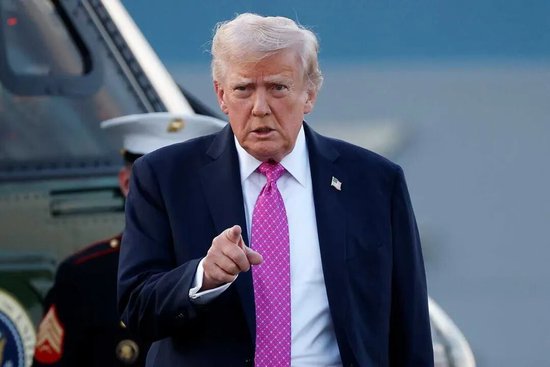
Trump's Controversial Moves: Global Reactions and Strategic Implications
Recent events highlight a series of controversial actions taken by former U.S. President Donald Trump that have garnered significant international attention and criticism. These actions have potential implications for global markets, diplomatic relations, and international climate policies.
Sina News reports on three key incidents involving Trump that have shocked the global community. The first involves Trump's harsh criticism of Israeli Prime Minister Benjamin Netanyahu for not pardoning Trump's ally, Naftali Bennett, who faced corruption charges. This incident underscores Trump's unorthodox approach to diplomacy, which could strain U.S.-Israel relations and affect regional stability, particularly concerning the U.S.'s role as a mediator in Middle Eastern conflicts.
The second incident involves Trump's demands on Canada regarding a cross-border infrastructure project. Trump insisted that the U.S. receive half of the ownership of a bridge financed entirely by Canada. Such demands could disrupt U.S.-Canada trade relations, impacting cross-border commerce and potentially leading to retaliatory trade measures that could affect businesses and investors reliant on North American supply chains.
Finally, Trump's declaration that greenhouse gases are no longer harmful and his withdrawal of the U.S. from a 2009 environmental policy have sparked global outrage. This move could undermine international climate agreements and efforts to combat climate change, potentially affecting global markets, particularly in renewable energy sectors. Sina Finance notes that CNN described this as a 'devastating blow' to U.S. climate policy, highlighting the potential for increased emissions and the rollback of environmental protections.
These developments indicate a broader strategic shift in U.S. foreign policy under Trump's influence, characterized by unilateral decisions that challenge traditional alliances and international norms. For international readers, these actions underscore the importance of monitoring U.S. policy shifts, as they can have far-reaching consequences for global trade, environmental strategies, and geopolitical stability.
UK's Top Civil Servant Resignation Amid Diplomatic Controversy: Global Repercussions
Recent reports from Sina News and World Journal highlight the resignation of Chris Wormald, the UK's top civil servant, a move that has significant diplomatic and political implications. Wormald's departure, effective immediately, follows a mutual agreement with UK Prime Minister Rishi Sunak. The resignation is linked to the controversy surrounding the appointment of Peter Mandelson, a former EU Trade Commissioner, as the UK Ambassador to the US. This appointment was controversial due to Mandelson's alleged involvement in the Epstein scandal.
This development is crucial for international observers as it underscores the challenges faced by Western governments in managing diplomatic appointments amidst scandals. For global markets and investors, the incident may signal potential instability or shifts in UK diplomatic strategies, particularly in its relationship with the US. The US-UK diplomatic ties are pivotal for international trade and security cooperation, and any disruptions could ripple across global markets.
For US and EU policymakers, this event serves as a reminder of the intricate balance required in diplomatic appointments and the potential fallout from domestic issues on international relations. The UK's handling of this situation may influence how other countries approach similar challenges, impacting global diplomatic norms and practices.
Moreover, the broader strategic implications include potential shifts in UK foreign policy, as new appointments may bring changes in priorities. This could affect international collaborations on issues such as trade agreements, security alliances, and joint initiatives on global challenges like climate change.
While Sina News focuses on the procedural aspects of the resignation, highlighting the transition period and interim arrangements, World Journal delves into the underlying controversies, emphasizing the pressure faced by Sunak's administration. These differences in narrative reflect the varied editorial priorities and audience engagement strategies of each publication, offering international readers a comprehensive view of the situation's complexity.
Japan's Detention of Chinese Fishing Vessel Escalates Tensions: Implications for Regional Stability and Global Trade
Recent events underscore the escalating tensions between Japan and China, as reported by multiple sources including Liberty Times and Radio France Internationale. The Japanese authorities detained a Chinese fishing vessel and arrested its captain within Japan's exclusive economic zone (EEZ) near Nagasaki Prefecture. This incident is reported to have occurred after the vessel ignored orders to stop, as highlighted by both media outlets.
The detention marks the first such action by Japan since 2022, a fact emphasized by both Liberty Times and RFI, indicating an increase in maritime enforcement actions in the region. The Liberty Times article provides context by referencing Japan's Prime Minister Fumio Kishida's previous statements on potential military involvement if Beijing were to attempt forceful actions regarding Taiwan. This stance has been a point of contention, contributing to the heightened diplomatic friction between Tokyo and Beijing.
RFI adds that the diplomatic fallout has been significant, with China expressing strong disapproval through its Osaka consulate, further complicating bilateral relations. This incident is part of a broader pattern of geopolitical tensions in the East China Sea, which have implications for regional stability and international maritime norms.
For international markets and investors, these developments suggest potential disruptions in the East China Sea, a critical area for global shipping routes. The tensions could lead to increased insurance costs for shipping in the region and might affect the supply chains that rely on these routes. For policymakers in the US, EU, and other regions, the situation highlights the need for diplomatic efforts to prevent further escalation, which could impact global trade and security dynamics.
Overall, the increased maritime enforcement by Japan and the subsequent diplomatic tensions with China indicate a volatile regional environment that could have ripple effects on global trade and international relations. This situation requires close monitoring by businesses and governments worldwide, given its potential to influence economic and strategic calculations on a global scale.
US Tariffs Under Trump: A Costly Burden for American Consumers and Businesses
Recent analyses from both Sina Finance and CCTV News highlight the significant financial burden that the Trump administration's tariffs have placed on American consumers and businesses. The reports, originating from a study by the New York Federal Reserve, emphasize that approximately 90% of the tariff costs have been absorbed domestically rather than by foreign exporters, contradicting earlier governmental assertions that foreign entities would bear these expenses.
According to the reports, the average tariff level in the United States has risen from 2.6% to 13%, with American businesses shouldering 94% of the tariff impact from January to August, 92% from September to October, and 86% in November. This demonstrates that the tariffs, a core economic policy intended to increase fiscal revenue and encourage domestic industry return, have instead resulted in higher prices for imported goods, with costs largely transferred to American consumers.
The Sina Finance article provides additional context by noting the political ramifications within the US, where Trump's tariff policy has faced opposition not only from the public but also from within his own party. A notable instance was the bipartisan decision in the US Congress to end punitive tariffs on Canadian goods, with some Republican members voting against the party line.
Globally, these findings carry significant implications. For international markets, the tariffs contribute to economic uncertainty, potentially disrupting global supply chains and impacting international trade dynamics. Businesses and investors in regions like the EU and Asia may need to adjust strategies to account for the altered US import landscape and explore alternative markets or supply sources.
For policymakers in the US and abroad, these developments underscore the complexities of using tariffs as a tool for economic and political leverage. The broader strategic implication suggests a need for careful evaluation of tariff policies, balancing domestic economic impacts with international trade relations.