Global Tensions Escalate: US-Iran Standoff; China's Missile Tests; Typhoon Impact on Supply Chains
US-Iran Tensions and Strategic Maneuvering in the Hormuz Strait
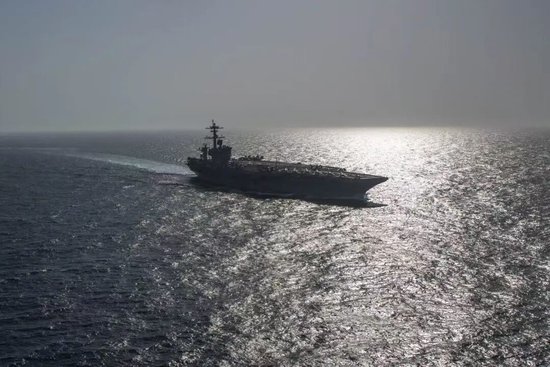
Recent developments in US-Iran relations have centered around the strategic maneuvering and ongoing tensions in the Hormuz Strait. According to Xinhua, the situation remains tense as both nations engage in a strategic standoff. The Trump administration's current approach involves economic pressure rather than military escalation, a tactic noted by analysts to be influenced by domestic election pressures and military resource constraints. This approach is seen as a bid to keep tensions at a 'low temperature' while avoiding new military actions.
The global implications of this tension are significant. The Hormuz Strait is a critical choke point for global oil supplies, and any escalation could disrupt oil markets, affecting prices and stability worldwide. For international investors and markets, this volatile dynamic adds uncertainty, particularly in energy sectors. The EU and other regions must consider these developments in their foreign policy and economic strategies, balancing between diplomatic engagement and preparing for potential market disruptions.
Meanwhile, Iran remains assertive, leveraging its control over the Hormuz Strait as a strategic bargaining chip. This is highlighted in Xinhua's analysis, where Iran's military and political maneuvers are aimed at maximizing strategic advantages against the US. For the international community, especially energy-dependent nations, Iran's actions could have ripple effects, prompting reevaluations of energy security strategies.
Comparatively, the Global Times reports on the US's expanded military presence in the Philippines, which indirectly influences regional security dynamics, including in the South China Sea. This expansion is part of broader US efforts to counterbalance China's influence in the region, illustrating the interconnectedness of global geopolitical strategies.
In summary, these articles highlight the complex interplay of strategic decisions by the US and Iran, with significant consequences for global markets and international relations. The ongoing situation challenges policymakers and businesses worldwide to navigate an unpredictable geopolitical landscape, emphasizing the importance of strategic foresight and adaptive planning.
Xi Jinping's Visit to Tianjin: A Symbolic Gesture with Global Implications
The recent visit of Xi Jinping, General Secretary of the Communist Party of China, to Tianjin's Sixth Du Village, covered by multiple Chinese media outlets, underscores China's domestic focus on disaster recovery and rural development. This event, reported by CCTV and Sina, highlights Xi's emphasis on the well-being of common citizens, particularly in the aftermath of significant flooding in 2023. Xi's engagement with villagers reflects a strategic narrative aimed at reinforcing the government's commitment to grassroots recovery and development.
The CCTV report portrays Xi's visit as a compassionate response to natural disasters, emphasizing his direct involvement in assessing damage and discussing recovery plans with local residents. This narrative positions Xi as a leader deeply concerned with the citizens' welfare, fostering a sense of unity and resilience. Meanwhile, Sina's coverage aligns with these themes, underscoring the long-term governmental emphasis on rural development and disaster preparedness.
These reports serve dual purposes: domestically, they reinforce Xi's image as a leader attentive to rural and disaster-stricken areas, while internationally, they signal China's focus on stability and development amidst global uncertainties. For international markets, this highlights China's ongoing efforts to stabilize rural economies, which could influence agricultural exports and commodity markets globally. Additionally, such narratives may reassure international investors about China's resilience and commitment to sustainable development, potentially affecting foreign direct investment and trade relations.
In a related piece, Sina also reports on local governance reforms in Guangxi, illustrating China's broader efforts to enhance grassroots governance and transparency. This story, while less connected to Xi's visit, complements the overarching theme of strengthening local governance structures, which may impact foreign businesses operating in China by ensuring more predictable and transparent local policies.
Overall, these developments illustrate China's strategic focus on internal stability and development, with significant implications for global economic dynamics. Understanding these domestic priorities is crucial for international policymakers and businesses as they navigate the complexities of engaging with China in an era marked by geopolitical tensions and economic interdependencies.
China's Missile Test Controversy and North Korea's Missile Launch: A Broader Strategic Context
Recent developments in missile testing by China and North Korea have sparked significant geopolitical reverberations, with both nations engaging in actions that have drawn international scrutiny and concern. In a report by Xinhua, China's official stance highlights its disapproval of the United States' criticism regarding China's missile tests conducted in July. During a multilateral disarmament meeting, Chinese Ambassador Li Song condemned the U.S. for politicizing China's pre-notification of missile tests, emphasizing China's commitment to responsible defense modernization and rejecting the notion that such actions should be politically manipulated. This narrative underscores China's assertion of its right to self-defense and modernization, which resonates with its broader strategic goal of maintaining national security at minimal levels necessary without engaging in an arms race.
From an international perspective, these developments are pivotal. For global markets and investors, China's military advancements and the strategic responses they evoke can impact regional stability and, consequently, economic dynamics in Asia-Pacific. The U.S. and EU policymakers must navigate these tensions, balancing diplomatic engagements with military preparedness. Furthermore, China's emphasis on its sovereign rights in defense matters presents a challenge to international norms and agreements on missile proliferation and arms control, potentially influencing future diplomatic negotiations and alliances.
In parallel, Liberty Times reports on North Korea's recent missile launches, which occurred amidst joint military exercises by South Korea and the United States. The report suggests that North Korea's actions are a direct protest against these exercises, perceived as provocative by Pyongyang. The absence of official North Korean media commentary on this launch marks a departure from previous practices, indicating a possible shift in strategy or messaging.
Strategically, North Korea’s missile tests further complicate the security landscape in Northeast Asia. They serve as a reminder of the persistent volatility in the region, affecting international markets that are sensitive to geopolitical risks. For the United States and its allies, these developments necessitate a recalibration of defense strategies and highlight the importance of maintaining robust deterrence capabilities. Moreover, they underscore the ongoing challenge of engaging North Korea diplomatically while addressing its weapons programs.
Overall, both China's and North Korea's missile activities underscore the intricate web of geopolitical tensions in Asia, with significant implications for global security, economic stability, and diplomatic relations. International audiences should pay close attention to these developments as they have the potential to alter strategic alignments and influence global economic trends.
Colombia Earthquake's Global Impact: Infrastructure Damage and Humanitarian Response Challenges
Recent seismic activity in Colombia has captured international attention due to its significant impact on infrastructure and the urgent humanitarian response required. A report by CCTV highlights the emotional response of international leaders, such as former U.S. Vice President Al Gore, who expressed sorrow over the casualties resulting from the earthquake. While the article itself provides limited information beyond expressing condolences, it underscores the global empathy and potential for international aid mobilization following such natural disasters.
In contrast, Sina's detailed coverage offers a comprehensive account of the earthquake's aftermath. It reports a magnitude of 7.4, causing over 1,800 casualties and significant infrastructural damage, including to hospitals and schools. The article emphasizes the ongoing search and rescue operations, highlighting challenges such as aftershocks and disrupted communication lines. This level of detail is crucial for international humanitarian organizations and governments looking to assist in relief efforts, as it provides insight into the logistical hurdles faced on the ground.
The earthquake's impact extends beyond Colombia's borders, with neighboring countries like Ecuador and Panama experiencing tremors. This regional influence is critical for international markets and businesses, especially those involved in trade and logistics across Latin America, as infrastructure damage can disrupt supply chains and economic activity.
Furthermore, the earthquake's occurrence near Colombia's coffee-growing regions could have implications for global coffee markets, potentially affecting prices and supply chains. Investors and businesses within this sector should monitor developments closely as recovery efforts progress.
For policymakers in the US, EU, and other regions, the disaster highlights the importance of international cooperation in disaster response and preparedness. It serves as a reminder of the need for robust infrastructure and communication systems to mitigate the impact of such natural events.
Overall, these articles illustrate the varying narrative approaches by different media outlets. While CCTV focuses on the emotional and political responses, Sina provides a detailed account of the disaster's immediate impact and ongoing challenges. Both perspectives are valuable for understanding the broader implications of the earthquake on international humanitarian efforts, regional stability, and economic activities.
Strategic Strains in the Strait of Hormuz as US-Iran Tensions Escalate
Recent reports from World Journal and Liberty Times highlight escalating tensions in the Strait of Hormuz, with significant implications for global markets and international policy. On August 11th, a Panamanian-flagged vessel, the M/V Vela Nova, attempted to breach a U.S. naval blockade near an Iranian port, resulting in U.S. military engagement. The U.S. Central Command confirmed the incident, showcasing the United States' firm stance on enforcing maritime sanctions against Iran.
The World Journal emphasizes the strategic pressure exerted by the U.S. on Iran's economy through these blockades, aiming to force Iran into diplomatic concessions. The blockade has already diverted numerous commercial vessels, affecting global oil supply chains and contributing to rising oil prices. This blockage is not only a demonstration of military might but also a strategic economic maneuver that affects international markets, particularly in the energy sector, as it disrupts the flow of oil and raises prices, with Brent crude climbing by 1.4% and U.S. crude by 1.3%.
Liberty Times provides additional context by reporting on simultaneous attacks on shipping vessels by Houthi forces, linked to Iran, in the region. These incidents underline the broader geopolitical struggle involving regional proxies and the potential for further destabilization. The Houthis' actions, along with Iran's ongoing resistance to U.S. demands, suggest a prolonged conflict that could further strain global oil markets and heighten tensions between the U.S. and its allies against Iran.
For international audiences, these developments are critical. They affect global energy prices, impact supply chains, and influence international diplomatic strategies. The U.S.'s continued enforcement of maritime sanctions highlights the geopolitical complexities in the Middle East, where economic measures are intertwined with military actions. This situation poses a challenge for EU countries reliant on Middle Eastern oil, and for investors, it signals potential volatility in energy markets.
Overall, the narrative presented by both publications illustrates a complex web of military and economic strategies. While World Journal focuses on the direct military engagement, Liberty Times sheds light on the broader implications and regional responses, offering a comprehensive view of the escalating situation in the Strait of Hormuz and its global ramifications.
Houthi Attacks in Bab al-Mandeb Strait: Strategic Implications for Global Shipping and Security
Recent attacks in the Bab al-Mandeb Strait have highlighted the escalating tensions in one of the world’s most critical maritime chokepoints. The Houthi forces, supported by Iran, launched missile strikes against a vessel allegedly transporting military equipment, resulting in multiple casualties. This incident underscores the vulnerability of global shipping lanes and the potential for regional conflicts to disrupt international trade.
The CCTV report emphasized the strategic nature of the attack, describing it as a deliberate strike on a ship carrying military supplies. This narrative aligns with China's broader geopolitical stance, highlighting the potential for increased instability in the region and reinforcing the need for international cooperation to safeguard maritime routes.
Conversely, the Liberty Times provided a detailed account of the attack, noting the Houthi forces' claims that the vessel was transporting military equipment. However, it was later revealed that the ship was carrying food supplies, illustrating the complexities and misinformation often surrounding such conflicts. This highlights the need for accurate intelligence and the challenges faced by international bodies in verifying on-ground realities.
These developments indicate a significant escalation in Houthi capabilities and intentions, which could have far-reaching implications for international markets. The Bab al-Mandeb Strait is a key transit route for global oil and goods, and any disruption could lead to increased shipping costs and delays, impacting global supply chains.
For the US and EU, this situation calls for a reassessment of their strategic positions in the Middle East. Increased military presence or diplomatic interventions might be necessary to ensure the security of international shipping lanes. Moreover, this incident could influence future policy decisions regarding arms sales and military support to regional allies.
International readers should be aware of the broader strategic implications of these attacks. They highlight the potential for localized conflicts to escalate into broader geopolitical crises, affecting global trade, energy markets, and security policies. As such, continuous monitoring of the region and collaborative international efforts are crucial to maintaining stability and ensuring the free flow of commerce through these vital maritime passages.
Balancing Speed and Quality: Strategic Lessons from China's Development Approach
Two articles from Sina News explore the critical balance between speed and quality in China's development strategy. Drawing on an analogy from rural China about cooking steamed buns, the articles emphasize the importance of adapting the pace of development to the context, ensuring that rapid growth does not compromise quality and vice versa.
The articles highlight the nuances of decision-making in China's economic and industrial policies, suggesting that seizing opportunities quickly is essential ('fast') when conditions are favorable, while careful planning and quality assurance ('slow') are vital to sustain long-term success. This dual approach is illustrated through the example of Nankou Town in Fujian Province, where proactive efforts to capitalize on development opportunities have led to its selection as a national construction pilot, demonstrating the benefits of strategic planning and execution.
For international markets, businesses, and investors, these insights into China's development philosophy underscore the importance of understanding the strategic timing behind China's policy moves. As China continues to assert itself in global markets, its approach to balancing rapid economic initiatives with long-term quality goals will influence global supply chains and investment strategies.
Moreover, the emphasis on strategic patience and long-term vision resonates with global economic trends, particularly in high-stakes industries like technology and infrastructure. For policymakers in the US, EU, and other regions, recognizing this balance could offer valuable lessons in crafting policies that support sustainable growth amid competitive pressures.
Ultimately, these articles from Sina serve as a reminder that China's internal strategies, while seemingly focused on domestic progress, have profound implications for global economic dynamics, influencing everything from trade negotiations to international regulatory frameworks.
China-Indonesia Regional Government Dialogue and Shifting American Perceptions of China: A Global Perspective
Recently, a significant China-Indonesia regional government dialogue took place, highlighting the evolving cooperation between these two nations. According to Xinhua, the event was co-hosted by various Chinese and Indonesian organizations and attended by representatives from multiple provinces and enterprises. The discussions focused on governance, poverty alleviation, and cultural exchanges, aiming to deepen bilateral ties and contribute to regional development. This dialogue underscores China's strategic efforts to strengthen ties with neighboring countries, which could impact regional trade dynamics and influence ASEAN's economic policies. For international markets, this collaboration may lead to increased investment opportunities and a more stable regional economic environment.
In another development, Sina reports on the evolving perceptions of China among the American public. A series of surveys indicate a shift from viewing China as a monolithic adversary to a more nuanced competitor. This change is partly driven by personal experiences and economic factors, such as rising costs and supply chain issues in the U.S., which highlight the interdependence of the two economies. The report suggests that while the overall sentiment remains cautious, there is a growing recognition of the need for strategic cooperation, particularly among younger Americans. This shift could influence U.S. foreign policy, potentially easing tensions and fostering more collaborative economic relations.
These developments reflect broader strategic and economic implications. For international businesses and investors, improved China-Indonesia relations may present new opportunities in Southeast Asia, a region poised for growth. Meanwhile, changing American perceptions of China could lead to more balanced U.S.-China trade policies, affecting global supply chains and market stability. As both nations navigate their complex relationship, the international community should monitor these trends closely, as they will shape future geopolitical and economic landscapes.
Typhoon 'White Dolphin' Ceases Numbering: Implications for Regional Safety and Economic Activities
Two prominent Chinese media outlets, CCTV and Sina, have reported on the cessation of numbering for Typhoon 'White Dolphin' by China's Central Meteorological Observatory. Both sources emphasize that while the numbering has stopped, the effects of the typhoon are not over, with residual rain bands expected to bring heavy rainfall to the Huanghuai and Huabei regions. This information is crucial for international businesses and investors as it highlights potential disruptions in regional supply chains and economic activities, particularly in manufacturing and logistics sectors that are significant in these areas.
The coverage by CCTV focuses on governmental advisories and the importance of public safety, urging the population to remain vigilant despite the numbering halt. This narrative aligns with the government's broader goal of ensuring stability and minimizing economic disruptions. For international markets, this could mean that China's domestic industries may face short-term interruptions, potentially affecting global supply chains.
On the other hand, Sina's report provides a broader context by including various other news items, such as military exercises and legal proceedings. This approach suggests an attempt to contextualize the typhoon within a wider scope of national activities, indirectly pointing to the resilience and multifaceted nature of China's domestic policy landscape. For foreign policy experts and international observers, this indicates China's capacity to manage multiple internal and external challenges simultaneously, which could influence geopolitical strategies and bilateral relations.
Both reports underscore the significance of natural disasters in shaping policy responses and economic forecasts. For global readers, understanding these dynamics is essential as they can affect commodity prices, influence regional economic growth forecasts, and alter investment strategies. Moreover, the emphasis on continued vigilance and safety preparations reflects China's proactive approach to disaster management, which could serve as a model for other nations facing similar challenges.