
Iran's Strait Proposal Stirs Global Markets; Xinjiang Quake Exposes Supply Chain Risks; China-Japan Tensions Escalate
Iran's Diplomatic Moves and US Response: A Global Perspective
The recent intensification of diplomatic and military activity involving Iran, the United States, and other global players marks a significant moment in international relations with far-reaching implications. Multiple sources, including New York Times, Sina, Liberty Times, and Global Times, have reported on Iran's proposal to reopen the Hormuz Strait and the subsequent reactions from the US and other nations.
According to the New York Times, Iran's initiative to resolve the Hormuz Strait crisis faced dissatisfaction from the US President Trump, primarily because it did not address Iran's nuclear ambitions. This proposal is seen as a strategic move by Iran to alleviate economic sanctions and reassert control over its critical maritime routes. The US's reluctance to accept this proposal underscores the persistent tension over Iran's nuclear program, which remains a focal point in US-Iran relations.
In a related report, Sina highlighted the US military's interception of a vessel attempting to transport oil to Iran, further complicating the situation. The US insists that Iran's nuclear issue be prioritized in any discussions, reflecting ongoing geopolitical strategies to curb Iran's nuclear potential. This stance affects global energy markets, as tensions in the Strait of Hormuz could disrupt oil supplies, influencing prices and economic stability worldwide.
The Liberty Times reported on Iran's election as deputy chair of the Non-Proliferation Treaty (NPT) review conference, which the US criticized as undermining the conference's credibility. This development has strategic implications for international nuclear governance, potentially impacting how nuclear proliferation issues are addressed globally. It raises concerns about the effectiveness of international treaties and the role of countries perceived as violators in leading such discussions.
Meanwhile, Global Times emphasized the broader regional tensions, including military operations involving the US and Israel, which exacerbate the fragile security situation in the Middle East. China's representative at the UN, Fu Cong, pointed out that stability in the Strait of Hormuz is crucial for international trade and energy security, urging diplomatic solutions over military confrontations.
These developments indicate a complex interplay of diplomacy, military strategy, and international law, with significant implications for global security and economic stability. For international markets and policymakers, the situation underscores the need for strategic resilience and diversified energy sources to mitigate potential disruptions. The ongoing dialogue and actions will likely influence future international relations and economic policies, particularly in the US, EU, and Asia-Pacific regions.
Xinjiang Earthquake Highlights Regional Vulnerability and Global Supply Chain Risks
On April 28, a 3.8 magnitude earthquake struck the city of Kuqa in the Aksu Prefecture of Xinjiang, China, according to the Sina News. The earthquake's epicenter was located at a depth of 17 kilometers. The CCTV report reiterated these details, underscoring the event's significance within China's seismic monitoring efforts.
These reports underscore the geological vulnerabilities of China's western regions, which are crucial for both domestic stability and international supply chains. Xinjiang is a pivotal area for China's Belt and Road Initiative, serving as a key logistics and transportation hub for trade routes extending into Central Asia and beyond. Disruptions here could have cascading effects on global supply chains, particularly for industries reliant on raw materials and manufacturing inputs sourced from or routed through China.
The earthquake also highlights the ongoing need for robust infrastructure to mitigate such natural disasters' impact. For international markets and investors, this event is a reminder of the risks associated with supply chain dependencies on geographically vulnerable regions. Businesses with interests in China or reliant on its supply chains should consider diversifying their sourcing strategies to mitigate potential disruptions.
From a policy perspective, the event may prompt the Chinese government to prioritize infrastructure resilience in its western regions, which could involve increased investments in earthquake-resistant technologies and construction practices. This shift could present opportunities for international firms specializing in such technologies to engage with Chinese counterparts.
China Rebukes Japan's Maritime Assertions Amid Rising Tensions in East Asia
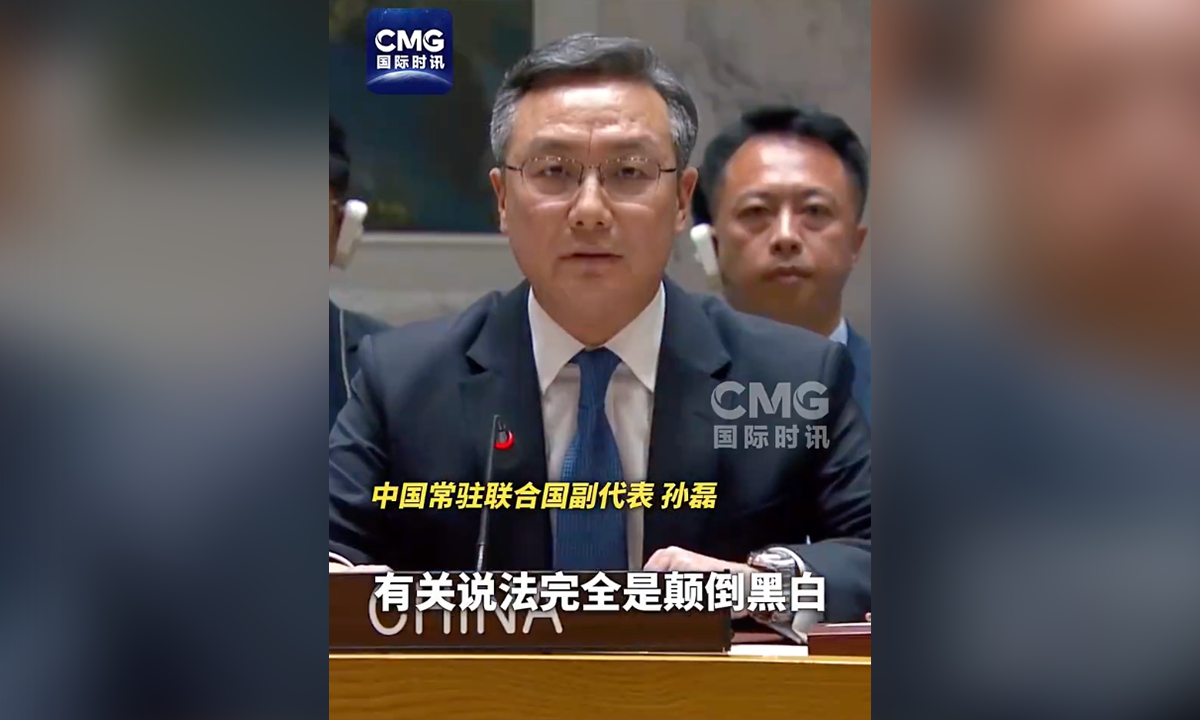
Recent developments in the East China Sea have seen China strongly criticize Japan's maritime assertions, highlighting the escalating tensions in the region. During a recent UN Security Council meeting, Sun Lei, China's deputy permanent representative to the UN, delivered a stern rebuke to Japan over its stance on maritime issues. This response was reported by Global Times, which underscored China's commitment to maintaining stability in the East and South China Seas. The article emphasizes China's view that Japan's military posturing, particularly its deployment of self-defense forces in the Taiwan Strait, sends erroneous signals to pro-independence forces in Taiwan, potentially destabilizing peace in the region.
Similarly, Tencent News reported on the same UN meeting, where China's response was characterized as a strong diplomatic rebuke. The article highlights China's assertion that the South China Sea remains one of the world's freest navigation routes, and accuses Japan of attempting to militarily intervene in the Taiwan Strait, thus undermining regional peace and stability.
These developments indicate a significant uptick in diplomatic friction between China and Japan, with broader implications for international markets and geopolitical stability. For global businesses and investors, the rising tensions could affect supply chains and market stability, particularly in industries reliant on East Asian trade routes. From a policy perspective, this situation might prompt the US and EU to reassess their strategic engagements and alliances in the Asia-Pacific region, potentially leading to new diplomatic or economic initiatives aimed at mitigating tensions.
For international readers, understanding these dynamics is crucial as they could herald shifts in global trade patterns and influence geopolitical alliances. The strategic implications are significant, as increased militarization and diplomatic standoffs in the region could impact global security frameworks and economic policies, prompting countries to recalibrate their foreign policy approaches in East Asia.
Middle East Conflict Escalates: U.S. Military Losses and Infrastructure Damage in Iran
Recent reports from Sina have highlighted significant losses and infrastructural damage sustained by U.S. military assets in the Middle East, particularly in the wake of intensified military actions involving Iran. The narrative from Sina emphasizes the severe financial and operational costs incurred by the U.S., with estimates suggesting damages to military bases and equipment in the region could reach upwards of $50 billion. This has sparked criticism and skepticism regarding the U.S. government's transparency about the true cost of military engagements.
The implications of these developments are far-reaching for international markets and policymakers. The financial strain on the U.S. defense budget could potentially influence global defense markets and contract opportunities, affecting stakeholders worldwide. Additionally, the perceived lack of transparency might lead to increased scrutiny from U.S. lawmakers, potentially impacting future military and foreign policy decisions.
In a related report, another article from Sina focuses on the impact of U.S. and Israeli military actions on Iran's civilian infrastructure, particularly healthcare and education. The article details significant damage to hospitals and educational institutions, which could exacerbate humanitarian challenges and influence regional stability. For international readers, these developments underscore the potential for increased geopolitical tensions, which may affect energy markets and global supply chains, given the strategic importance of the Middle East.
Overall, these narratives from Sina highlight the dual impact of military conflicts on both military and civilian infrastructures, raising questions about the long-term strategic and humanitarian costs. The international community, including investors and policymakers, should consider these implications when assessing risk and formulating responses to the evolving situation in the Middle East.
Handshake Diplomacy: Trump's Grip and King Charles III's Visit Highlight US-UK Relations
Recent events in Washington have spotlighted the intricate dance of diplomatic gestures, with former President Donald Trump's handshake with King Charles III capturing international attention. As reported by Liberty Times, the firm handshake between Trump and Charles lasted nearly ten seconds, symbolizing a power play often exhibited by Trump to assert dominance. This encounter occurred during King Charles III's first official visit to the United States since his accession to the throne in 2022, marking a significant moment in US-UK relations.
Similarly, Sina detailed the handshake as a display of resilience from King Charles, who did not yield to Trump's forceful grip. This interaction underscores the broader theme of diplomatic signaling, where physical gestures are scrutinized as indicators of political relationships and power dynamics.
These developments indicate the enduring importance of personal diplomacy in international relations. For global markets and investors, such high-profile visits can signal shifts in bilateral ties, potentially influencing trade agreements and economic partnerships. The US and UK share deep economic and strategic connections, and their leaders' interactions can impact policies related to trade, security, and technology cooperation.
For policymakers in the US and EU, understanding these dynamics is crucial for crafting foreign policy that balances historical alliances with contemporary geopolitical challenges. The handshake, while seemingly trivial, reflects broader strategic postures that can influence diplomatic negotiations and international collaborations.
Readers outside China should note that these diplomatic gestures are more than mere protocol; they are part of the nuanced choreography of international relations that affect global stability and economic interests. As such, the implications of these events extend beyond the immediate participants, influencing international perceptions and future diplomatic engagements.