Japan's Political Shift; US-Iran Nuclear Resumption; China's Military and AI Moves; Global Diplomatic Tensions
Japan's Elections: A Turning Point with Global Implications as US-Japan Relations Solidify
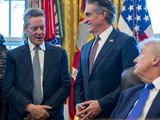
The recent Japanese elections have captured global attention, highlighting significant shifts in political dynamics and international relations. These elections, particularly for Japan's House of Representatives, have become a focal point for assessing the country's future direction under Prime Minister Yoshiko Takashima's leadership. Sina reports that US President Donald Trump has expressed strong support for Takashima, emphasizing the importance of the election results for Japan's future. This endorsement underscores the strategic alignment between the US and Japan, particularly in areas of trade and security. Trump's previous trade agreement with Japan is highlighted as mutually beneficial, pointing to deepening economic ties that could impact global markets. Meanwhile, Liberty Times presents Takashima as a transformative figure who has reinvigorated political engagement in Japan. The outlet notes that her focus on national security and economic stability resonates with the public, contrasting with China's perceived threats. This narrative suggests a strategic pivot towards strengthening Japan's defense capabilities, which could influence regional security dynamics and US military strategy in Asia. From Tencent, the elections are seen as a critical juncture for Japan's economic policies. The outlet warns that while Takashima's fiscal strategies may win political support, they could pose long-term economic challenges, such as inflation and national debt. This perspective raises concerns about Japan's economic stability, which could have ripple effects on global financial markets. Another report from Tencent highlights the potential for Japan to revise its pacifist constitution under Takashima's leadership. Such changes could alter the balance of power in East Asia and necessitate recalibrations in US foreign policy and military commitments in the region. The World Journal adds that Trump's support for Takashima reflects a shared vision for a robust US-Japan alliance. This partnership is crucial for addressing shared challenges such as China's rise and global economic uncertainties. The article underscores the geopolitical significance of Takashima's visit to the White House, suggesting strong bilateral cooperation that could shape future international relations. Collectively, these narratives illustrate the multifaceted implications of Japan's elections. For international markets and investors, the focus on economic policies and trade agreements is paramount. For policymakers in the US, EU, and beyond, the evolving security landscape and potential constitutional reforms in Japan are critical factors to monitor. These developments not only affect regional stability but also have broader strategic implications for global power dynamics.
US-Iran Nuclear Talks Resume Amid Strategic Tensions: Global Implications for Security and Diplomacy
Recent developments underscore the resumed nuclear discussions between the United States and Iran, a topic of significant international interest due to its potential impact on global security and diplomatic relations. The Sina News article reports that the White House has signaled a preference for diplomacy as the primary approach to resolving the Iranian nuclear issue, though military options remain on the table. This dual approach reflects a strategic balancing act, aiming to pressure Iran into compliance while keeping diplomatic channels open. In contrast, Xinhua highlights the resumption of high-level military dialogues between the US and Russia, which had been suspended since a previous crisis. This restoration of communication channels is framed as a move to increase transparency and reduce tensions, offering a broader context of international military diplomacy that complements the US-Iran negotiations. Another Sina News piece focuses on the core disagreements in the US-Iran talks, particularly Iran's insistence that discussions be limited to nuclear issues, while the US seeks to include Iran’s missile program. This divergence highlights the complexities of reaching a comprehensive agreement and the broader strategic challenges involved. For international markets and investors, these talks are critical as they could influence global oil prices and the stability of the Middle East region. The possibility of a diplomatic resolution could ease geopolitical tensions, potentially stabilizing markets and reducing the risk premium associated with Middle Eastern oil supplies. From a policy perspective, the outcome of these talks will affect US and EU foreign policy stances, particularly regarding sanctions and military presence in the region. A successful agreement could lead to a recalibration of alliances and military commitments, impacting defense strategies and international relations. Readers outside China should care about these developments due to their potential to reshape global security dynamics and economic conditions. The broader implications extend to strategic stability and the future of non-proliferation efforts, making this a pivotal moment in international diplomacy.
China's Strategic Military and Diplomatic Moves Signal Global Implications
Two recent articles from Qiushi Journal highlight China's strategic military advancements and diplomatic engagements, underscoring their significance for international stakeholders. The first article focuses on President Xi Jinping's visit to the Fujian aircraft carrier, a symbol of China's growing naval capabilities. This visit underscores China's commitment to enhancing its military strength, which has implications for global security dynamics, particularly in the Asia-Pacific region. As China continues to expand its naval presence, international markets may need to consider the potential for increased geopolitical tensions in key maritime trade routes. The emphasis on troop welfare and operational readiness also suggests a focus on maintaining high morale and effectiveness within China's military ranks, which could influence the strategic calculations of other global powers, including the US and EU. The second article discusses China's diplomatic strategy, emphasizing its role as a stabilizing force in global affairs. The interactions between Chinese leadership and their Russian and American counterparts illustrate China's intention to position itself as a central player in international diplomacy. For investors and policymakers outside China, this signals a potential shift in global power structures, with China advocating for a multipolar world order. The emphasis on strategic partnerships and cooperative frameworks indicates a move towards fostering global stability, which could impact international economic policies and trade agreements. Together, these articles reflect China's dual approach of strengthening its military capabilities while actively engaging in diplomatic efforts to shape international norms. The global implications are profound, as these developments could lead to shifts in alliances, influence trade routes, and alter the balance of power in international relations. Stakeholders worldwide must consider how China's actions will affect regional security, market stability, and future diplomatic engagements.
Diplomatic Rift Between US and Poland Over Trump Remarks Highlights Global Tensions
Recent diplomatic tensions between the United States and Poland have been brought to the forefront following a series of critical remarks made by Polish Sejm Marshal Wlodzimierz Czarzasty regarding former US President Donald Trump. These developments were covered by both Xinhua and Liberty Times, offering different narratives and insights into the situation. Xinhua reported that the US Ambassador to Poland, Tom Rose, announced a cessation of all interactions with Czarzasty, citing the latter's "insulting and baseless remarks" about Trump. Rose emphasized that any disrespect towards Trump is unacceptable as it harms the US-Poland relationship. This highlights the sensitivity of diplomatic ties and the potential for individual statements to impact broader bilateral relations. From a geopolitical perspective, this incident underscores the challenges in maintaining alliances in the face of political disagreements. For international markets and investors, such diplomatic rifts can create uncertainty, particularly if they escalate into broader policy disagreements that might affect trade or economic collaboration. Liberty Times provided a more detailed account of Czarzasty's criticisms, which included opposition to Trump's nomination for the Nobel Peace Prize, arguing that Trump's policies were aggressive and disrupted international stability. Czarzasty's stance reflects broader European skepticism towards Trump's foreign policy legacy, which is perceived by some as undermining multilateral organizations and alliances. The contrasting coverage by Xinhua and Liberty Times also illustrates the differing regional perspectives on US foreign policy. Xinhua's focus on the diplomatic fallout highlights China's interest in observing and potentially leveraging Western alliances' internal tensions. Meanwhile, Liberty Times' emphasis on European critique of Trump's policies reflects ongoing debates within Europe about the US's role on the global stage. For policymakers in the US and EU, these developments could serve as a reminder of the importance of diplomatic tact and the potential consequences of public statements by political figures. As the US and Poland navigate this diplomatic spat, the outcome could influence future collaborations and the strategic positioning of both nations within their respective alliances. In summary, the US-Poland diplomatic rift over remarks about Trump is a microcosm of larger geopolitical dynamics, affecting international relations and potentially influencing global economic conditions. It serves as a poignant example of how domestic political discourse can have far-reaching implications on the international stage.
Venezuela's Amnesty Bill Progresses: Implications for Global Politics and Markets
Recent developments in Venezuela's legislative landscape have captured international attention, as the country's National Assembly has passed the first reading of an amnesty bill aimed at releasing political prisoners. This legislative move is seen as a foundational step towards achieving national reconciliation and stability. Xinhua reports that the bill seeks to address political crimes committed since 1999, signaling a potential shift in Venezuela's internal political dynamics. The passage of this bill is significant not only for Venezuela but also for international markets and political alliances. With the potential easing of internal tensions, foreign investors might find a renewed interest in Venezuela's economy, which has been constrained by political instability. This could lead to increased foreign direct investment and a potential uptick in oil production, given Venezuela's vast oil reserves. Furthermore, this development could influence U.S. and EU policies towards Venezuela. Both regions have long-standing sanctions against the South American nation, primarily due to human rights concerns and political repression. Should the amnesty bill lead to substantive political reforms, it may prompt a re-evaluation of these sanctions, potentially opening new economic opportunities for international businesses. The bill's progress is also covered by Sina, which echoes Xinhua's narrative but highlights the role of former Foreign Minister Jorge Arreaza in advocating for political coexistence and mutual recognition among different political forces within Venezuela. This emphasis on dialogue and reconciliation is crucial for international observers, as it suggests a possible shift towards more democratic governance practices. For readers outside China, understanding these developments is essential. The potential stabilization in Venezuela could alter global oil supply dynamics, affecting prices and market strategies worldwide. Additionally, geopolitical analysts will be keenly watching how Venezuela's domestic changes might influence its foreign relations, particularly with major powers like China and Russia, which have vested interests in the region. In summary, Venezuela's amnesty bill is more than a domestic political maneuver; it is a development with far-reaching implications for global markets, international relations, and regional stability. As the bill moves into further readings and negotiations, its outcomes will be closely monitored by policymakers and investors alike.
China's Real Estate Turmoil and Winter Sports Expansion: Global Implications
Recent reports from Radio France Internationale highlight the ongoing struggles in China's real estate sector, which has been in decline for several years. The market downturn is significant in cities like Jinan, with property prices falling sharply over the past five years. The "red line" policy, aimed at reducing financial risks by limiting debts of real estate firms, has contributed to this decline. Despite some relaxation of housing purchase restrictions, economists argue for more substantial policy support to stabilize the market. This downturn affects international markets by reducing Chinese demand for foreign goods and services, as domestic consumption declines. For investors and businesses in the US and EU, the shrinking Chinese real estate market signals potential shifts in global capital flows and investment strategies. Additionally, local governments in China, heavily reliant on land sales for revenue, face fiscal strains, potentially impacting global supply chains reliant on Chinese infrastructure investment. In contrast, CCTV focuses on China's burgeoning enthusiasm for winter sports, sparked by events like the Milan-Cortina Winter Olympics. This national push, part of China's broader strategy to drive sports and health initiatives, has led to the construction of numerous ice and snow facilities, symbolizing a shift towards diversified economic activities. This development is crucial for international sportswear brands and global sporting events, presenting new opportunities for market entry and collaboration. While RFI's coverage emphasizes the socio-economic challenges and policy dynamics within China's real estate sector, CCTV's narrative underscores a positive national cultural shift towards sports and fitness. This dual narrative reflects China's complex economic landscape, where challenges in one sector may be offset by growth in another, affecting global perceptions and economic forecasts.
China's AI Technology Elevates Winter Olympics: Global Implications for Sports and Technology
The recent announcement from CCTV highlights China's strategic deployment of artificial intelligence at the upcoming 25th Winter Olympics. As the International Olympic Committee revealed during a tech exhibition, this event marks the first official use of large-scale AI models in Olympic history, promising to enhance the 'intelligent' experience of the games. This development signifies a pivotal moment in the integration of AI into global sporting events, with significant implications for international markets and technology sectors. For global businesses, particularly those invested in sports technology and AI, China's initiative could serve as a catalyst for similar innovations worldwide, potentially opening up new markets and investment opportunities. From a policy perspective, the U.S. and EU may need to reassess their current strategies surrounding AI in sports, considering both the competitive edge and regulatory challenges posed by such advancements. The broader strategic implications include a shift in how technology is leveraged to enhance viewer engagement and operational efficiency in large-scale events, further cementing AI's role in global sports and entertainment industries. For readers outside China, understanding this development is crucial as it reflects China's growing influence in AI and its potential to set new standards in international sporting events. This move also underscores the need for international cooperation and dialogue around the ethical deployment of AI technologies in public domains.