
Russia's Health Scare; UK's Diplomatic Rift; China's Global Ambitions in Health and Trade; AI Surge in Retail
Russia's Plague Concerns: Implications for Global Health Security and Economic Stability
Recent reports of a potential plague outbreak in Russia have garnered significant attention from international media, reflecting both the global anxiety over infectious diseases and the geopolitical implications of such health scares. BBC, CCTV, and The New York Times have all covered the incident, each with a distinct narrative focus.
The BBC provides a detailed account of the situation, highlighting the death of a laboratory worker in Irkutsk from pneumonia potentially linked to the plague. The report emphasizes that while the plague can be controlled with antibiotics, its historical impact, such as the Black Death, still resonates. The BBC reassures that modern conditions make a global pandemic unlikely, stressing the need for vigilance and preparedness. This coverage underscores the importance of maintaining robust public health systems globally to prevent local outbreaks from escalating into international crises.
In contrast, CCTV mentions the event briefly, focusing on statements from Russian and World Health Organization officials that downplay the threat level. The tone suggests a controlled and localized incident, reflecting an intention to mitigate public fear and maintain economic stability within Russia and its trading partners. This perspective is crucial for international markets and businesses that might be concerned about potential disruptions in trade and travel.
The New York Times delves into the broader implications of the outbreak, considering Russia’s handling of such health threats and its transparency with the international community. By questioning the potential for misinformation and the efficacy of Russia's response, the Times highlights the geopolitical stakes involved. This approach is particularly relevant for policymakers and investors who must consider the reliability of information coming from global partners.
These developments indicate the critical need for international cooperation in health surveillance and response strategies. For the US, EU, and other regions, this event serves as a reminder of the interconnectedness of global health security and economic stability. As nations navigate these challenges, maintaining trust and transparency in health communications becomes imperative to prevent economic fallout and ensure public safety.
Diplomatic Tensions: UK's Jerusalem Consulate Closure Amidst Israel Dispute and Its Global Ramifications
The closure of the UK's consulate in Jerusalem, as reported by Xinhua, marks a significant diplomatic event, highlighting the complex geopolitical landscape involving Israel and the UK. This decision, based on the Israeli government's assertion of legal authority, led to an immediate cessation of operations and the departure of 20 British diplomats. The UK's Foreign Secretary, Miliband, expressed clear rejection of Israel's legal stance, indicating a broader diplomatic standoff.
The implications for international markets and businesses are substantial. The closure could disrupt diplomatic channels, affecting international trade agreements and economic relations between the UK and Israel. For investors, this introduces a layer of uncertainty, potentially influencing market stability and investment strategies in the region.
From a policy perspective, the EU and other regional actors may view this development as a precedent for their diplomatic missions, potentially affecting their foreign policy strategies in the Middle East. The UK's response, including not accepting Israel's closure decision, underscores the importance of diplomatic resilience in the face of unilateral actions.
The broader strategic implications are noteworthy. This event signals a shift in diplomatic dynamics, potentially influencing the US and EU's approach to Middle Eastern geopolitics. The UK's steadfast refusal to acknowledge the closure could encourage other nations to adopt similar stances, thereby affecting global diplomatic norms.
Meanwhile, CCTV and another CCTV article mentioned the consulate closure but provided limited additional context, focusing primarily on the procedural aspects. These reports illustrate a more straightforward narrative, possibly reflecting a state-aligned media perspective that aligns with broader diplomatic narratives.
In summary, the closure of the UK consulate in Jerusalem is a pivotal event with wide-reaching implications for international diplomacy, economic relations, and strategic policies. It highlights the intricate balance of power and the need for robust diplomatic engagement in resolving such geopolitical challenges.
China's Push for Leadership in Global Health Governance and Its Global Repercussions
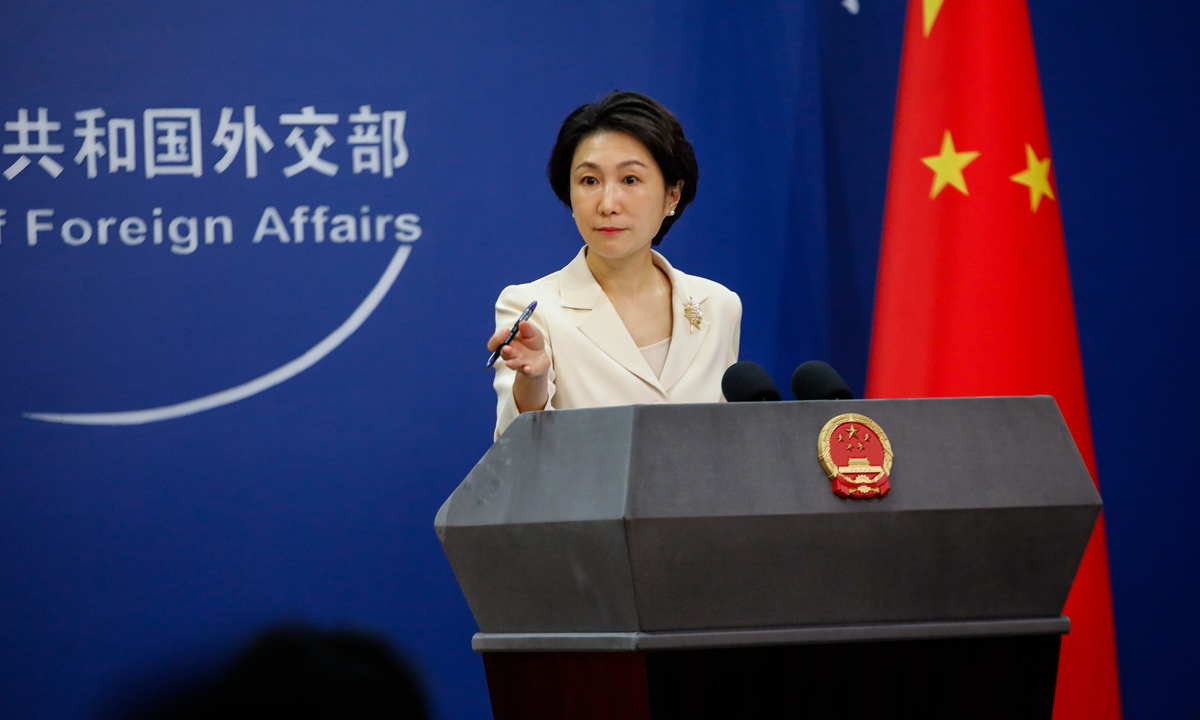
Recent developments indicate China's strategic bid to enhance its influence within international health governance, as evidenced by its nomination of Dr. Li Song for the role of Director-General at the World Health Organization (WHO). According to Xinhua, China's Foreign Ministry has underscored the significance of the WHO's leadership in global health governance amidst challenges to multilateralism. The nomination reflects China's commitment to collaborative efforts in building a global health community, reinforcing its support for multilateral frameworks.
This move is particularly significant for international markets and policy frameworks. A Chinese leadership at the WHO could shift the dynamics of global health policy, potentially influencing international health regulations and standards. For businesses and investors, this may mean adapting to new health compliance requirements that align with China's policy orientations. It also poses strategic considerations for the US, EU, and other regions in terms of their engagement with global health institutions and the broader geopolitical implications of China's growing influence.
The Global Times coverage offers a broader narrative, framing China's actions as part of its ongoing commitment to supporting global development and cooperation. The publication emphasizes China's stance on not hindering other nations' development, which can be interpreted as a diplomatic message aimed at countering criticisms of China's assertive international policies. This narrative aligns with China's broader geopolitical strategy of positioning itself as a leader in multilateralism, contrasting with more unilateral approaches.
For international audiences, understanding these developments is crucial as they highlight the strategic interplay between health governance and global power structures. The potential shift in WHO leadership underscores the importance of monitoring China's role in shaping international norms and its implications for global health security and diplomatic relations.
Dubai Airport Incident Spurs International Aviation Safety Inquiry
Recent events surrounding an incident involving a Dubai-bound flight have triggered a significant international aviation safety investigation, reflecting broader concerns in the aviation sector. According to Sina News, a co-pilot on a flight from the UAE to Israel attacked the pilot mid-flight, causing the aircraft to make an emergency descent. This incident has prompted Saudi Arabia to initiate a comprehensive investigation, evaluating potential impacts on aviation safety.
The incident, which involved a Boeing 737 MAX, underscores ongoing safety concerns associated with this aircraft model. The U.S. National Transportation Safety Board has confirmed it will send a representative to participate in the investigation, highlighting the global nature of aviation safety protocols. This development is crucial for international markets, as Boeing's reputation and commercial interests are deeply tied to global perceptions of its aircraft safety standards.
The event has also spurred discussions on the adequacy of cross-national hiring practices and background checks for aviation personnel, with implications for airlines worldwide. As aviation is a critical component of global trade and travel, ensuring robust safety measures is essential to maintaining trust in international air travel. For businesses and investors, any disruptions or changes in aviation policy can affect logistics, tourism, and international business operations.
Meanwhile, CCTV News briefly mentions the initiation of an investigation but does not provide additional details, possibly indicating a focus on domestic narratives over international concerns. This contrast in reporting highlights how different media outlets may prioritize local interests or broader international implications, affecting public perception and policy responses.
These developments indicate a growing need for international cooperation in aviation safety investigations, as underscored by the participation of multiple countries in the inquiry. For policymakers in the US, EU, and other regions, this incident may prompt a reevaluation of aviation safety standards and international collaboration mechanisms, ensuring that such incidents do not compromise the safety and reliability of global air travel.
California Surrogacy Scandal Raises Global Concerns Over Surrogacy Practices and Child Welfare
Recent reports from BBC and The New York Times highlight a disturbing case in California involving a Chinese immigrant couple accused of abusing at least 14 surrogate-born children. The couple, Guojun Xuan and Silvia Zhang, were arrested in their luxury home in Arcadia, California, following allegations of child abuse and obstruction of justice.
The BBC article offers a detailed account of the legal proceedings, citing statements from Los Angeles County District Attorney Nathan J. Hochman, who described the scale of abuse as unprecedented. It also mentions the involvement of multiple nannies and the use of surveillance cameras to monitor the children, details which paint a grim picture of the household environment.
Meanwhile, The New York Times provides context on the broader implications of the case, discussing the potential repercussions for surrogacy practices in the United States and internationally. The article points out that this case may lead to stricter regulations and oversight of surrogacy arrangements, which have been a contentious issue globally.
For international markets and investors, this case underscores the need for vigilance in sectors related to family services and child welfare. The revelations could prompt regulatory changes that affect businesses involved in surrogacy and related industries. Furthermore, the case highlights the complexities of cross-border surrogacy arrangements, which may influence international policy debates.
For U.S. and EU policymakers, the case raises questions about the adequacy of current child protection laws and the ethical implications of surrogacy. It may lead to calls for tighter regulations and more comprehensive oversight mechanisms to prevent similar incidents in the future.
Readers outside China should consider the cultural and legal differences in surrogacy practices and child welfare standards. This case serves as a reminder of the importance of safeguarding children's rights and ensuring ethical practices in surrogacy, which are critical issues in an increasingly interconnected world.
Overall, the California surrogacy scandal not only sheds light on a specific legal case but also invites a broader examination of surrogacy practices and child welfare policies on a global scale.
China's Cultural Heritage Initiatives Signal Broader Global Implications
Recent developments in China's cultural preservation efforts highlight a strategic shift towards safeguarding intangible cultural heritage while emphasizing national pride and cultural continuity. Articles from Sina News and CCTV shed light on these initiatives, each offering a unique perspective on their significance.
Sina News reports on Huaining County's focused efforts to protect and revitalize its intangible cultural assets, particularly traditional crafts like theatrical hat-making. This precision-driven approach underscores a broader strategy to harness cultural heritage as a means of economic and societal development. Such grassroots initiatives can attract international tourism and investment, offering economic opportunities while preserving cultural identity.
Meanwhile, CCTV emphasizes the alignment of these cultural endeavors with President Xi Jinping's broader cultural strategy. By tracing Xi's engagement with cultural heritage across China, the article suggests a narrative of cultural unification and national strength. This narrative serves to bolster domestic confidence and project a cohesive national identity on the global stage.
For international markets and investors, these developments in China's cultural policy indicate a potential rise in cultural tourism and related industries, which could create new business opportunities. For policymakers, understanding China's cultural strategy is crucial as it intertwines with China's soft power initiatives and international diplomacy. These efforts to preserve and promote cultural heritage are not just about maintaining traditions but also about leveraging them for economic and geopolitical influence.
Overall, China's strategic emphasis on cultural heritage preservation is a multifaceted approach that aims to reinforce national identity while opening avenues for international engagement and economic growth. The global audience should take note of these initiatives, as they reflect China's broader ambitions to elevate its cultural presence and influence worldwide.
China's National Holiday Sparks Surge in AI and Green Products: Global Implications for Tech and Retail
During China's National Day holiday, there has been a marked increase in demand for smart, green, and health products, as reported by Xinhua. Sales of intelligent robots, smart glasses, and water-saving appliances have seen substantial growth, with some categories experiencing over a 100% increase compared to the previous year. This surge reflects China's growing consumer appetite for technologically advanced and environmentally friendly products, which could significantly impact international markets.
For global businesses and investors, this trend underscores China's pivotal role in driving demand for cutting-edge technologies and sustainable solutions. Companies in the US, EU, and other regions may find opportunities in aligning their offerings with these consumer preferences, potentially leading to increased exports to China and collaboration with Chinese tech firms.
Meanwhile, the use of robots in retail settings, such as convenience stores, has been put to the test during the holiday rush, according to another Xinhua article. These robots have successfully handled increased customer flow, with some stores reporting transaction volumes doubling compared to normal days. This development highlights China's advancements in AI deployment in everyday scenarios, which could inspire similar implementations worldwide.
The broader strategic implications are significant. As China continues to innovate and integrate AI into its domestic market, it sets a precedent for global tech competition. This could lead to accelerated AI adoption globally, influencing regulatory frameworks and innovation ecosystems in other countries. For policymakers, understanding these dynamics is crucial as they navigate the complexities of international tech collaboration and competition.
China's Strategic Moves on Afghan Diplomacy and Self-Reliance in Trade with Europe
Recent developments in China's international engagement highlight its strategic focus on both regional diplomacy and global trade dynamics. The Chinese Foreign Ministry, in a statement on October 8, 2026, emphasized its active role in the 'Moscow Format' discussions concerning Afghanistan. Yue Xiaoyong, China's Special Envoy for Afghan Affairs, participated in this eighth session, underscoring China's commitment to regional stability and cooperation with Russia. This move not only solidifies China's influence in Central Asia but also aligns with its broader foreign policy goals of promoting multilateralism and countering Western dominance in the region. For international markets and policymakers, China's engagement in Afghanistan could signal shifts in regional power balances, potentially affecting trade routes and security policies in the EU and US.
Concurrently, an article from the New York Times highlights China's 'self-reliance' strategy reshaping its trade relations with Europe. As China invests heavily in its domestic manufacturing capabilities, it seeks to reduce dependency on foreign technologies and raw materials, a move driven by both economic and geopolitical considerations. This strategy, aimed at strengthening China's economic sovereignty, could alter supply chain dynamics, impacting European businesses reliant on Chinese manufacturing. For international investors, these shifts might present both challenges and opportunities, as China becomes a more competitive but self-contained market. Policymakers in the US and EU need to consider these developments in their economic and trade strategies, as China's approach could redefine global trade patterns and influence international economic policies.
Together, these articles illustrate China's dual approach of regional diplomatic engagement and strategic economic restructuring. For global audiences, understanding these moves is crucial as they reflect China's broader ambitions to enhance its global standing and reshape international systems to better align with its national interests.