
U.S.-Russia Peace Negotiations; U.S. Military Actions; Honduras Election; China's Healthcare Innovations; Venezuela Tensions
Diplomatic Dialogues: U.S. and Russia's Ongoing Negotiations
Recent events highlight the intricate web of negotiations between Russia and the United States, particularly focusing on the peace efforts concerning Ukraine. A series of articles from multiple sources such as Tencent News, Liberty Times, Sina, and CCTV provide a multifaceted view of these developments.
It appears that the core of these discussions was a five-hour meeting between Russian President Vladimir Putin and U.S. Special Envoy Steve Witkoff, alongside Jared Kushner. According to Tencent News, the meeting was deemed "effective," with Russian officials expressing hope for a successful resolution to the Ukraine crisis. However, the article also notes that Russia is unwilling to accept certain European modifications to the U.S. peace plan, suggesting a complex geopolitical dance where Russia seeks to maintain its stance without external pressures.
In contrast, Liberty Times emphasizes the progress made, yet acknowledges the significant work still required. The publication highlights the shared sentiment from both parties to keep the details of the discussions confidential, indicating a cautious approach to diplomacy.
Meanwhile, Sina reports on the various proposals discussed regarding the territorial disputes, noting that no conclusive agreement was reached. The article underscores Russia's rejection of the U.S. suggestions, reflecting the ongoing challenges in these high-stakes negotiations.
Lastly, CCTV provides a perspective that aligns closely with the Russian viewpoint, highlighting Moscow's desire for a genuine peace and security framework. This narrative suggests a focus on Russia's willingness to engage in meaningful dialogue, albeit on its own terms.
These developments indicate a complex interplay of diplomacy where each publication's narrative reflects its own geopolitical lens. While some emphasize progress and cooperation, others focus on the unresolved tensions and the strategic maneuvering by involved parties.
U.S. Military Actions Against Alleged Drug Trafficking Nations: A Media Analysis
Recent events show an intensifying narrative concerning the U.S. military's response to alleged drug trafficking operations. Liberty Times highlights President Trump's declaration that any country perceived to be manufacturing and attempting to smuggle drugs into the United States could become a target for military action. This article emphasizes Trump's stern warning, particularly pointing towards Venezuela, which is accused of 'narco-terrorism'.
Meanwhile, CCTV offers a slightly different perspective, noting that Trump did not have extensive information on the military strikes against vessels in the Caribbean suspected of drug trafficking. This suggests a level of ambiguity or lack of coordination within the U.S. administration. The report also mentions U.S. Defense Secretary Hagel's need to clarify the military's actions, indicating a potential internal communication gap.
Sina mirrors the CCTV narrative, reiterating the lack of detailed knowledge by Trump regarding the operations and highlighting Hagel's role in explaining the actions. Both sources note the military's continued commitment to these operations despite facing challenges in locating viable targets, which suggests ongoing strategic difficulties.
These developments indicate a concerted effort by U.S. authorities to tackle international drug trafficking with military means, albeit with some operational and communicative hurdles. The varied narratives from Liberty Times, CCTV, and Sina reflect different focuses: Liberty Times underscores the threat rhetoric, while CCTV and Sina point to the complexities and potential misalignments within the U.S. administration's approach.
Honduras' Tense Election: A Comparative Analysis
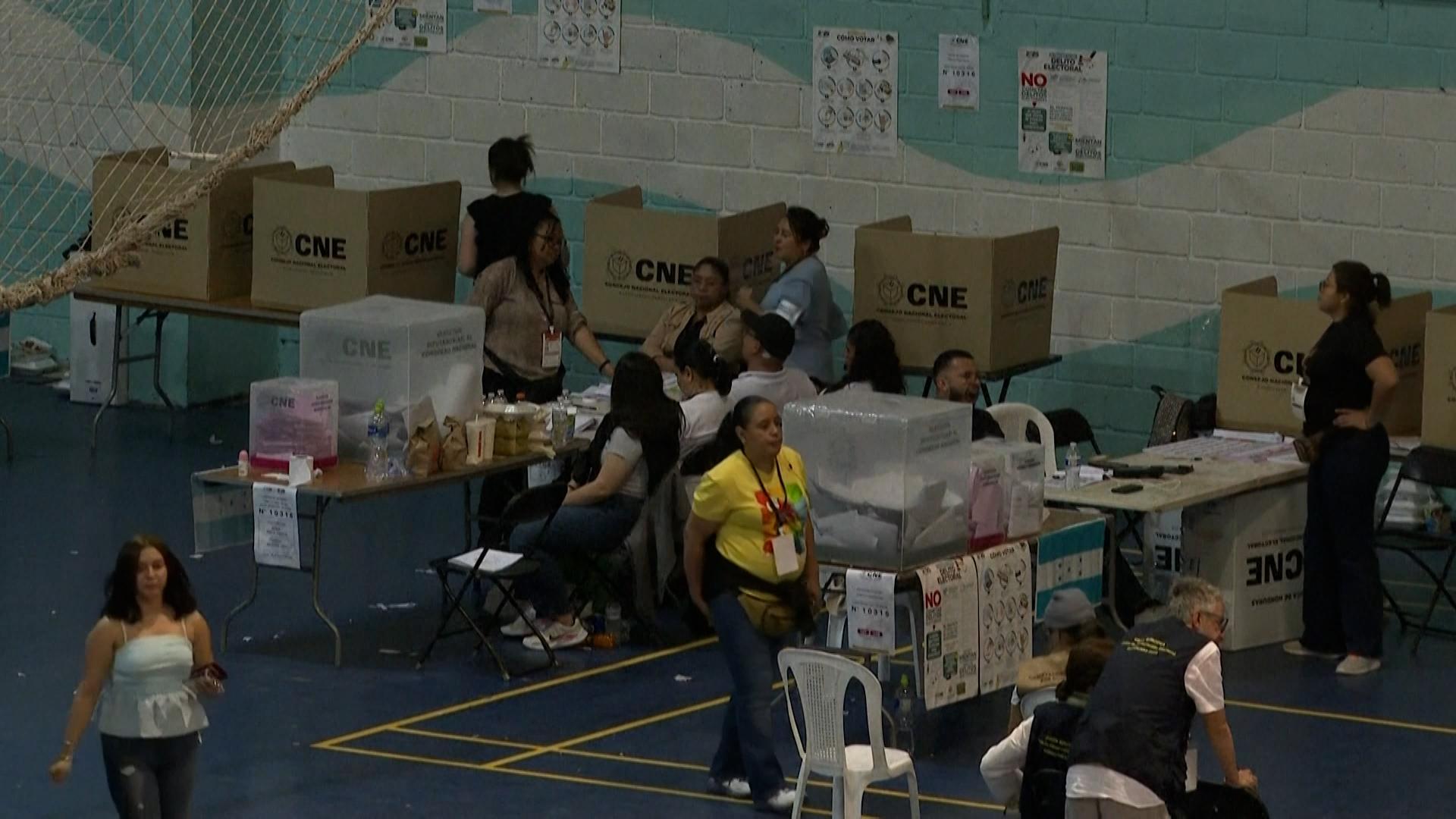
Recent events show a closely contested presidential election in Honduras, with both major candidates, Salvador Nasralla of the Liberal Party and Nasry Asfura of the National Party, locked in a tight race. According to Liberty Times, the vote count is ongoing, with Nasralla slightly ahead, but the margin is less than 1%, indicating a highly competitive atmosphere. The publication emphasizes the potential geopolitical implications, highlighting that both candidates promise to restore diplomatic relations with Taiwan, a significant move after Honduras shifted allegiance to China in 2023.
These developments indicate a potential shift in Honduras' foreign policy, which could have broader repercussions in Central America. Liberty Times also reports on technical issues affecting the vote tally, with 20% of ballots yet to be counted, leading to accusations of electoral misconduct from the United States.
In contrast, CGTN provides a different narrative, focusing on the possible ideological shift from the current leftist government under Xiomara Castro to a more conservative administration. CGTN highlights the tensions and uncertainties surrounding the delayed election results but offers less emphasis on the implications for Taiwan-China relations, possibly reflecting a Chinese perspective that downplays the Taiwan aspect.
The news highlights the dynamic and uncertain political landscape in Honduras, with significant international interest due to the potential foreign policy shifts. It appears that while Liberty Times focuses on the implications for Taiwan and the technical challenges of the election, CGTN is more concerned with the broader ideological shift, reflecting differing editorial priorities and geopolitical interests.
Innovations in China's Healthcare Delivery: A Comparative Analysis of Recent Developments
Recent events show significant advancements in China's healthcare system, focusing on improving accessibility and quality of medical services. According to Sina, the Tongyong Technology Group has expanded its 'small clinics' initiative, reaching a milestone of 1,025 establishments across China. These clinics integrate various healthcare functions, offering services in physical, mobile, and cloud-based formats to enhance convenience for patients. The initiative aims to provide high-quality, accessible healthcare by reducing the distance patients must travel, effectively bringing medical services to their doorstep.
Meanwhile, Tencent highlights a different approach at Anjie Hospital's Tongzhou branch, where 30 specialized clinics have been established. These clinics focus on disease-centered care rather than traditional department-based models, providing integrated services for complex and chronic conditions. This innovative model allows patients to 'find the right doctor for their condition,' enhancing the precision and efficiency of medical care. The emphasis is on creating a comprehensive system covering the entire lifecycle of a disease, from early diagnosis to long-term management.
The news highlights a common theme of decentralizing healthcare services, yet the narratives differ in focus. Sina emphasizes the sheer scale and reach of the Tongyong initiative, portraying it as a strategic move to democratize healthcare access nationwide. In contrast, Tencent's article focuses on the specialized, patient-centered approach at Anjie Hospital, suggesting a shift towards personalized medicine and multi-disciplinary collaboration in urban centers.
These developments indicate a broader trend in China's healthcare reforms, aiming to balance accessibility with specialization. The differing narratives might reflect the publications' intentions to either underscore national policy achievements or highlight cutting-edge medical practices in metropolitan areas. Both approaches demonstrate China's commitment to healthcare innovation, striving to meet diverse patient needs across the country.
Global Tensions: The Brewing Conflict in Venezuela
Recent events show a growing global anticipation regarding U.S. military actions, as highlighted by Sina. The article emphasizes the large-scale military buildup in Venezuela, with the U.S. deploying 15,000 troops and numerous warships, marking it as the most significant military presence in the region in decades. This military posturing follows President Trump's ultimatum to Venezuela, setting a deadline which has already passed, thus increasing the likelihood of conflict.
These developments indicate a complex geopolitical scenario where the U.S. is accused of using its power to control oil resources, reflecting on the statement from Colombian President Petro that "oil is at the heart of the issue." The news highlights the irony and double standards perceived in U.S. foreign policy, particularly when juxtaposed with the pardon of former President Hernández, who was previously accused of drug trafficking.
It appears that the narrative across different media outlets revolves around the potential for U.S. intervention driven by strategic interests in Venezuela's vast oil reserves. The article from Sina suggests that while the U.S. cites drug trafficking as a reason for intervention, the underlying motive remains control over oil, a perspective that aligns with broader criticisms of U.S. foreign policy.