
US-Iran Ceasefire Extension; China's Waterway Ambitions; Texas Infrastructure Concerns
US-Iran Negotiations: Fragile Progress Amidst Military Tensions and Global Implications
The recent US-Iran negotiations have been characterized by a complex mix of diplomatic efforts and military tensions, with significant implications for global markets and international policies. Various international publications have offered differing narratives on the evolving situation, reflecting their respective geopolitical perspectives and editorial biases.
BBC emphasizes the cautious progress in US-Iran talks, highlighting a tentative agreement to extend the ceasefire by 60 days. This development is crucial for international markets, especially as it potentially stabilizes oil prices by reducing the risk of conflict in the Strait of Hormuz—a critical chokepoint for global oil shipments. However, the report also underscores the fragility of the situation, noting that both sides remain entrenched in their positions, with the White House expressing dissatisfaction with the current terms. The geopolitical implications are significant, as prolonged instability could disrupt global supply chains and influence energy policies in the US and EU.
The New York Times offers a narrative focused on the military standoff in the Strait of Hormuz, describing it as a "game of chicken" where neither side wants to blink first. This portrayal underscores the strategic importance of the region and the potential for escalation, which could have far-reaching consequences for international security and trade. The US's military posturing and Iran's retaliatory threats highlight the delicate balance of power in the region, with implications for US defense policies and NATO's strategic interests.
Sina provides a more critical view of the US media's portrayal of the negotiations, suggesting that the reports are one-sided and lack a comprehensive understanding of the ground realities. The article also questions the validity of claims about a "grand victory" for the US, hinting at the complexities of diplomatic negotiations where both sides may claim success to appease domestic audiences. This skepticism reflects the broader strategic and economic implications for international stakeholders who rely on accurate assessments to make informed decisions.
The Sina report on US Vice President's comments about the ongoing negotiations highlights the need for a verified agreement that includes nuclear inspection mechanisms to ensure compliance. This aspect is vital for international security, particularly concerning non-proliferation efforts and the stability of the Middle East, a region pivotal to global energy security.
Another Sina article discusses conflicting reports about military engagements, such as Iran's claim of downing a US drone, which the US denies. Such incidents can exacerbate tensions and lead to market volatility, particularly in the oil sector, where price spikes can affect global economic stability.
Overall, these articles collectively illustrate the complexity of US-Iran relations, where diplomatic negotiations are interwoven with military maneuvers, each carrying significant global implications. For international readers, understanding these dynamics is crucial as they impact global markets, influence regional policies, and shape the strategic environment in which nations operate.
China's Water Management Initiatives and Their Global Implications
China has recently intensified its efforts to tackle water body protection and management issues, as reported by CCTV. The Ministry of Ecology and Environment's deployment of five major actions reflects a significant push towards resolving these environmental challenges. This development is crucial not only for China but also for international stakeholders. As China is a key player in global manufacturing and supply chains, effective water management can reduce environmental risks that threaten both local and international operations.
Further emphasizing this focus, another CCTV report highlights the meticulous implementation of flood prevention measures by local water conservancy departments. This proactive approach is essential in mitigating the risks of floods, which have previously disrupted supply chains and affected global markets. By enhancing infrastructure and preparedness, China aims to safeguard economic stability and continuity, benefiting international markets that rely on Chinese goods.
These initiatives indicate China's commitment to addressing environmental issues, which aligns with global sustainability goals. For international investors and businesses, understanding China's environmental policies is vital as they can influence regulatory frameworks and investment climates. Additionally, such measures can affect international policy dialogues on climate change and environmental cooperation.
Deadly Explosion in Texas Highlights Infrastructure Vulnerabilities with Global Implications
An explosion in an apartment building in Dallas, Texas, resulting in three deaths and five injuries, underscores significant concerns regarding infrastructure safety and its far-reaching implications. According to Sina News, the incident was triggered by a natural gas leak, which escalated into a large-scale fire. The local fire department is continuing rescue operations, with the potential for the death toll to rise as only 35% to 40% of the search has been completed.
This tragic event highlights vulnerabilities in aging infrastructure, a concern not limited to the United States. As countries worldwide grapple with maintaining and upgrading their infrastructure, the incident serves as a stark reminder of the potential risks associated with neglect. For international markets and businesses, it raises questions about the reliability of supply chains reliant on such infrastructure, which can be disrupted by similar accidents.
Furthermore, the accident has implications for policy decisions in the US and beyond. It may prompt stricter regulations and increased investment in infrastructure safety, impacting industries reliant on natural gas and other utilities. For international readers, understanding these dynamics is crucial as they may influence global energy markets and investment opportunities.
The CCTV report offers limited additional information, focusing primarily on the basic facts of the explosion. However, both reports collectively emphasize the need for vigilance and proactive measures in infrastructure management to prevent similar occurrences globally.
World's Largest Waterway Project in Jiangsu Signals China's Infrastructure Ambitions and Global Trade Implications
Recent reports from CCTV and Sina highlight the completion of underwater inspections for the world's largest waterway interchange project, located in Jiangsu, China. This ambitious project, known as the Huai River to Sea Waterway Phase II, represents a significant milestone in China's infrastructure development, with a total investment of approximately 17 billion yuan. As a part of the Chinese State Council's list of 172 major water conservation projects, its completion is expected to restore the main navigation functions of the Grand Canal between Beijing and Hangzhou.
These developments indicate China's strategic push to enhance its domestic logistics and water management capabilities, which could have far-reaching implications for international markets and global trade routes. The enhanced waterway is poised to facilitate more efficient movement of goods, potentially reducing transportation costs and improving supply chain reliability. For international businesses and investors, this could mean increased opportunities for trade with China, impacting sectors reliant on maritime logistics.
From a policy perspective, the project's success underscores China's commitment to large-scale infrastructure investments, which may influence global discussions on infrastructure financing and development models. For the US, EU, and other regions, this highlights the competitive landscape of infrastructure development, potentially spurring similar investments or collaborations to maintain economic competitiveness.
While both CCTV and Sina provide similar factual coverage, CCTV's report aligns with its role as a state broadcaster, emphasizing national pride and the government's strategic vision. In contrast, Sina offers additional context on the project's scale and technical aspects, appealing to a more detailed-oriented audience interested in the logistics and engineering feats involved.
Ultimately, this development is a testament to China's infrastructural prowess, which is likely to shape global economic dynamics and influence international policy agendas in the coming years.
Xi Jinping and Suriname's Diplomatic Milestone: Strategic Partnerships and Global Implications
Recent diplomatic exchanges between China and Suriname highlight a significant development in their bilateral relations, as both nations celebrate 50 years of diplomatic ties. According to Qiushi Journal, Chinese President Xi Jinping and Surinamese President Chandrikapersad Santokhi exchanged congratulatory messages, emphasizing the enhancement of strategic mutual trust and traditional friendship. This relationship has evolved into a strategic partnership, particularly with Suriname being one of the first countries in the Caribbean to sign a Belt and Road Initiative (BRI) cooperation document with China. Such developments are poised to strengthen economic and infrastructural ties, with implications for regional trade dynamics in the Caribbean.
The collaboration between China and Suriname is not just bilateral but also reflects broader geopolitical strategies. For international markets, the deepening of China-Suriname relations indicates China's growing influence in the Western Hemisphere, which could affect trade routes and investment flows in the region. For businesses and investors, the BRI projects in Suriname present new opportunities and risks, especially as China's infrastructural investments often come with increased political and economic influence.
From a policy standpoint, this strengthened partnership could influence the United States' and European Union's strategies in the Caribbean. The U.S. may need to reassess its diplomatic and economic engagement with the region to counterbalance China's growing presence, while the EU might consider deeper economic cooperation with Caribbean nations to maintain its influence.
The news underscores China's strategic use of soft power through cultural and educational exchanges, enhancing its image as a partner in development. This approach not only aids in solidifying political alliances but also fosters goodwill, which can be crucial in international negotiations and cooperation. For international readers, understanding these dynamics is essential as they highlight the shifting balance of power in global politics and economics, with China increasingly positioning itself as a key player in regions traditionally influenced by Western powers.
While the CCTV article on the peaceful liberation of Tibet offers a historical perspective, its relevance to current international affairs is limited in comparison to the dynamic China-Suriname relationship. The focus on historical narratives serves more to reinforce domestic unity rather than having direct global implications.
China's Global Governance Proposals: Strategic Implications for International Relations
In a recent speech at the 'Friends of Global Governance Group' meeting, Chinese Foreign Minister Wang Yi outlined a vision for global governance reform, emphasizing principles such as equality, multilateralism, and the rule of international law. This initiative, as reported by fmprc.gov.cn, reflects China's strategic push to reshape international institutions and norms to better reflect the interests of developing nations and challenge Western dominance.
Wang Yi's remarks underscore China's commitment to promoting a more democratic international order where all countries, regardless of size or economic power, have equal rights in choosing their social systems and paths of development. The speech also calls for strengthening the role of the United Nations and supporting a multilateral framework over unilateral actions. These proposals aim to bridge the North-South divide and ensure equitable development outcomes for all nations.
The implications for international markets and businesses are significant. China's emphasis on reforming global governance structures could lead to shifts in trade policies and economic alliances, potentially impacting global supply chains and investment flows. For the US and EU, these developments may necessitate a recalibration of foreign policy strategies to address China's growing influence in multilateral forums.
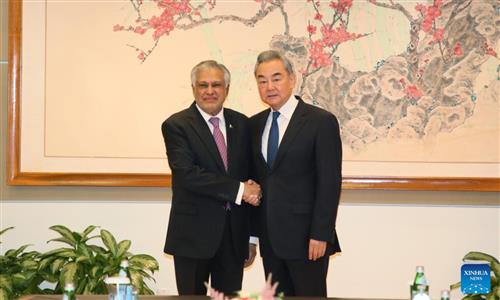
Additionally, Wang Yi's meeting with Pakistani Deputy Prime Minister Mohammad Ishaq Dar, as highlighted by Global Times, indicates China's ongoing efforts to strengthen bilateral ties with key regional partners. This meeting underscores the strategic importance of Sino-Pakistani relations, particularly in the context of the China-Pakistan Economic Corridor and broader Belt and Road Initiative, which have significant geopolitical and economic implications for South Asia and beyond.
These developments highlight China's dual approach to global governance: advocating for systemic reforms while simultaneously deepening strategic partnerships. For international readers, understanding China's evolving role in global governance is crucial, as it directly affects international policy decisions, economic frameworks, and geopolitical dynamics.