US-Iran Strikes Heighten Oil Price Volatility; China's Taiwan Strait Drills Intensify; Saudi Tanker Attack Threatens Global Shipping

US-Iran Tensions Escalate with Military Strikes: Global Energy Markets and Security at Stake
Recent reports highlight a significant escalation in US-Iran tensions following US military strikes on Iranian targets, as covered by Xinhua and Sina. The US military commenced a new round of strikes targeting Iranian military objectives, aiming to weaken Iran's naval capabilities in the region. This development follows President Trump's threats to bomb Iranian civilian infrastructure, such as bridges and power plants, if Iran continues its aggressive actions in the Hormuz Strait. Iran has vowed to retaliate, with Foreign Minister Alaghi emphasizing a firm response to any attacks on its infrastructure.
The international implications of these developments are noteworthy. The heightened military activity has already led to a significant increase in global oil prices, with Xinhua reporting a 3% rise in international crude oil futures. This price surge reflects market fears of potential disruptions in oil supply, given the strategic importance of the Hormuz Strait in global oil transportation. Such fluctuations could affect energy costs worldwide, impacting economies and businesses reliant on stable oil prices.
Moreover, the situation poses strategic challenges for US and EU policymakers. The potential for further escalation necessitates diplomatic efforts to manage tensions and prevent wider regional instability, which could have far-reaching security implications. The US's military posture also raises questions about the balance of power in the Middle East and the potential for increased military commitments in the region.
In a related report by Sina, it is revealed that the US has notified Israel of plans to expand its attacks on Iran, including possible strikes on Iran's underground nuclear facilities. This move signifies a potential escalation in military engagements, which could further destabilize the region and provoke broader international responses.
The global community must pay close attention to these developments. The strategic and economic stakes are high, with potential impacts on global energy supplies, regional security dynamics, and international diplomatic relations. As tensions continue to rise, the need for diplomatic intervention and strategic foresight becomes increasingly critical to mitigate risks and maintain stability.
China's Military Drills in Taiwan Strait Heighten Regional Tensions and Global Concerns
Recent developments surrounding China's military activities in the Taiwan Strait have been reported with varying narratives across different publications, highlighting the geopolitical sensitivities and international implications of these maneuvers.
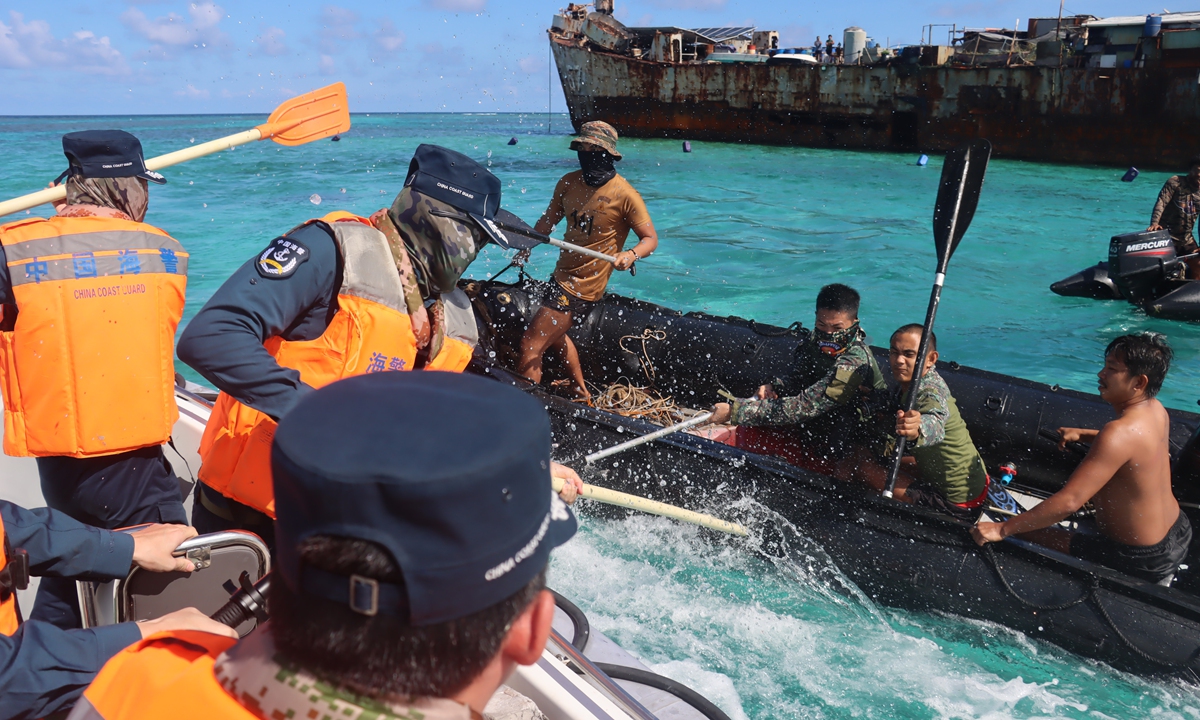
Global Times, a Chinese state-run publication, portrays the Philippines as a provocateur in the region, suggesting that the country is using tensions as political leverage. This narrative aligns with China's broader strategy to position itself as a stabilizing force in contrast to other regional actors, potentially swaying international perception and influencing diplomatic relations.
Meanwhile, World Journal reports on the specific military activities, detailing China's maritime warnings and live-fire drills scheduled within the Taiwan Strait. This article provides precise coordinates and timing for these exercises, emphasizing the operational aspect of China's military strategy. The detailed account of these drills underscores the ongoing military pressure exerted by China, which has significant implications for regional security dynamics.
For international markets and investors, the intensification of military activities in the Taiwan Strait could signal potential disruptions in trade routes and economic stability in the Asia-Pacific region. The strategic location of the Taiwan Strait as a major shipping lane means any heightened military presence could impact global supply chains and international trade flows.
From a policy perspective, these developments challenge the US and EU's strategic calculations in the region. The need for a calibrated response that balances deterrence with diplomatic engagement becomes increasingly critical. For readers outside China, understanding these dynamics is crucial, as they could influence global economic policies, defense strategies, and international alliances.
Overall, the coverage of China's military drills by different publications reveals not only the divergent narratives but also the broader strategic and economic implications that resonate far beyond the immediate region. As China continues to assert its influence in the Taiwan Strait, the international community must navigate these complexities to maintain regional stability and economic resilience.
Escalating Violence in Southern Thailand: Implications for Regional Stability and International Business
Recent reports from CCTV and Sina highlight a tragic and violent incident in southern Thailand, where a security checkpoint was attacked, resulting in the deaths of five soldiers. This attack underscores the ongoing instability in the region, which has been a hotspot for conflict in recent years. The incident is significant as it represents one of the deadliest attacks in this area recently, signaling a potential escalation in violence.
CCTV's coverage offers a brief overview, focusing on the event's immediate impact and the number of casualties. Meanwhile, Sina provides a more detailed account, including specifics of the attack, such as the attackers arriving in a black pickup truck and launching a sustained assault. The narrative from Sina emphasizes the chaos and the challenge for Thai military and police forces in tracking and apprehending the assailants.
For international markets and businesses, this escalation of violence could have several implications. Southern Thailand is a region with potential economic interests, including tourism and agriculture, both of which are sensitive to perceptions of safety and stability. Increased violence could deter foreign investment and impact regional supply chains, particularly if instability spreads or if international perceptions of risk increase.
For policymakers in the US, EU, and other regions, the situation highlights the need for monitoring regional stability in Southeast Asia, a region of strategic importance due to its proximity to key shipping lanes and its role in regional trade networks. The violence could necessitate a recalibration of diplomatic engagements or security assistance to Thailand and the broader ASEAN region.
Readers outside Thailand should note that such developments can have broader strategic implications, potentially affecting regional security dynamics and influencing the geopolitical landscape in Southeast Asia. As countries like the US and China vie for influence in the region, maintaining stability in Thailand could become a focal point in broader strategic considerations.
China's First Commercial Offshore Rocket Launch: Implications for Global Space and Business Strategies
On July 22, China successfully launched the Yinli-1 Yao 4 carrier rocket from the East China Sea, marking its first commercial offshore rocket launch. According to Xinhua News, the rocket carried nine satellites into their predetermined orbits, achieving its mission objectives. This event signifies a significant step for China in the commercial space sector, as it was the first time such a launch was conducted in the eastern sea region of the country.
The launch, as reported by Xinhua News, not only highlights China's growing capabilities in space technology but also underscores its ambitions to become a major player in the global space market. The choice of an offshore launch platform demonstrates China's strategic approach to diversify launch sites, potentially reducing risks associated with land-based launches and expanding launch capacity.
For international markets and businesses, this development points to increased competition in the space launch industry. Companies and investors in the US, EU, and other regions should consider how China's entry into commercial space launches might affect market dynamics, potentially offering more cost-competitive options for satellite deployment. It also signals a shift in global supply chains, as more satellite and space technology businesses may look to collaborate with Chinese firms.
From a policy perspective, the successful offshore launch could influence space-related regulations and cooperation agreements. As China seeks to establish itself as a leader in space technology, international policymakers must navigate new challenges in space governance and technology sharing. This development could lead to increased discussions on space traffic management and international space treaties.
Overall, China's foray into commercial offshore launches is a pivotal moment that could reshape the landscape of the global space industry, prompting businesses, investors, and policymakers worldwide to reassess their strategies and partnerships in the space domain.
Saudi Oil Tanker Attack in Red Sea Raises Global Shipping Concerns
Recent reports from CCTV and Sina detail an attack on a Saudi Arabian oil tanker, the 'Encelia', in the Red Sea. CCTV's coverage is brief, focusing on the incident's occurrence and the response from Saudi authorities, while Sina provides a more detailed account, including the use of missiles, drones, and the potential military implications for international shipping companies.
This attack highlights the vulnerability of global shipping routes, particularly in the Red Sea, a critical passage for oil and goods transport. For international markets, this incident could signal increased risks in energy supply chains, potentially leading to volatility in oil prices. Businesses and investors, especially those involved in shipping and energy sectors, should be alert to these developments as they could affect shipping costs and insurance premiums.
For US and EU policies, this attack underscores the importance of maintaining maritime security in international waters, potentially prompting increased naval presence or cooperative security measures in the region. Readers outside China should care about these developments as they can have far-reaching effects on global trade dynamics and energy security.
Strategically, the attack could exacerbate tensions in the Middle East, influencing diplomatic relations and military alignments. It may also impact global discussions on maritime law and the protection of international waterways, with implications for countries reliant on these routes for trade.
Violence Against Mexican Mayors Raises Concerns Over Stability and Drug Cartel Influence
Recent reports from Sina and World Journal highlight the assassination of a mayor in Mexico's Morelos state, underscoring the pervasive threat of violence against local officials by drug cartels. Valentin Lavin, the mayor of Temoac, was shot within the city hall, marking him as the third mayor killed in Mexico this year. This incident not only illustrates the severe risks faced by Mexican politicians but also signals broader implications for regional stability and international relations.
Sina's coverage emphasizes the ongoing danger posed by drug cartels in Mexico, noting that the region where the assassination occurred is notorious for cartel activity. The report suggests that the assassination is part of a larger trend of violence against local officials, which has seen nearly 100 mayors targeted since 2006. This pattern of violence reflects the broader challenges of governance in cartel-dominated areas, where political figures often become targets in territorial disputes.
Meanwhile, World Journal provides additional context, noting that Lavin had previously survived an assassination attempt earlier this year. The report links Lavin's political affiliations with the left-wing party coalition led by President Claudia Sheinbaum, possibly indicating political motives behind the assassination. The article also points out that the Mexican government's efforts to reduce violence since 2024 have had limited success, with continued threats against officials.
These developments are significant for international observers, as they illustrate the persistent instability in Mexico, which can have ripple effects on regional security and international markets. For investors and businesses, the violence underscores the risks associated with operating in regions with strong cartel influence. Moreover, the situation may influence U.S. and EU policies regarding drug trafficking and border security, as instability in Mexico can lead to increased migration and trafficking across borders.
The broader strategic implications involve the challenge for Mexican authorities to assert control and implement effective governance in cartel-influenced areas. This situation requires international cooperation and support to address the root causes of violence and to strengthen political stability in Mexico, which is crucial for regional peace and economic development.