China-India Border Tensions Escalate; French Cyberattack Exposes Global Supply Risks; China's Diplomatic Moves in Libya Signal Strategic Shifts
China-India Border Dispute: Implications for Global Geopolitics and Trade
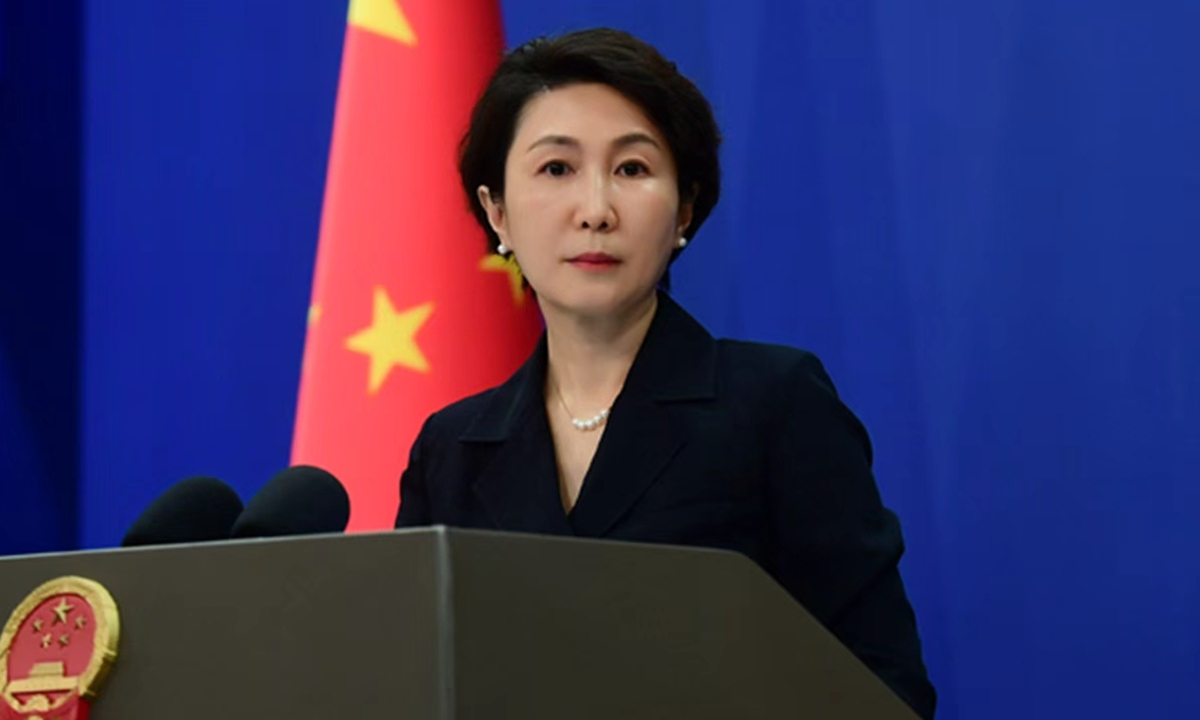
The ongoing border dispute between China and India has once again come to the forefront, as illustrated by recent reports from Xinhua and Global Times. Xinhua reports that China has firmly rejected India's recent move to standardize names of places in the disputed Ladakh region, labeling the action as illegal and invalid. This move by India, announced by its Ministry of Home Affairs, involved naming 28 locations in the region, which China considers an integral part of its territory. China's Foreign Ministry spokesperson Mao Ning reiterated China's stance, emphasizing the historical and objective reality of the region belonging to China.
These developments indicate a deepening of the Sino-Indian tensions, which hold significant implications for international markets and geopolitical alignments. For global businesses and investors, the escalating dispute could disrupt supply chains and trade routes in the region, impacting industries ranging from technology to manufacturing. As tensions rise, companies with operations or investments in either country may face heightened risks and should prepare for potential regulatory or logistical challenges.
Furthermore, this situation affects US and EU policies, as both regions navigate their strategic partnerships in Asia. The US, for instance, may find its alliances with India becoming more crucial as a counterbalance to China's influence in the region. Similarly, the EU's trade and diplomatic strategies could be influenced by the need to maintain stability and open trade routes in Asia, underscoring the importance of diplomatic engagement to mitigate conflict.
The broader strategic implications are significant, as the dispute between two of the world's largest economies and militaries could alter regional power dynamics. This situation emphasizes the importance of diplomatic channels and international mediation to prevent further escalation. For readers outside China, understanding these developments is crucial, as they not only affect regional security but also have the potential to impact global economic stability and international relations.
Cyberattack on French Supermarkets Highlights Global Supply Chain Vulnerabilities
Recent reports from Xinhua and BBC highlight a significant cyberattack on several hundred French supermarkets, including major chains such as Intermarché and U Cooperative. The attack targeted refrigeration systems, causing them to overheat and resulting in the spoilage of fresh and frozen products worth hundreds of thousands of euros. This incident underscores the vulnerabilities in supply chains and critical infrastructure globally, emphasizing the need for robust cybersecurity measures.
Both reports describe how hackers manipulated the temperature settings of refrigeration units, raising them to 50 degrees Celsius, which resulted in substantial losses of perishable goods. Xinhua reports that the attack exploited vulnerabilities in software provided by Danfoss, a Danish engineering company, which allowed for remote control of the cooling systems. The BBC corroborates this, noting that the software was outdated and unable to withstand such attacks, highlighting a severe gap in cybersecurity protocols.
The implications of this attack are significant for international markets and businesses. Given the interconnected nature of global supply chains, disruptions in one region can have cascading effects worldwide. The attack on French supermarkets serves as a stark reminder for businesses and investors outside of China to reassess their cybersecurity strategies, especially those involved in food supply and retail sectors.
For policymakers in the US, EU, and other regions, this incident calls for a reevaluation of regulations governing the cybersecurity standards of essential services. The European Union, in particular, might need to strengthen its directives on cybersecurity to prevent similar incidents from occurring. As noted by Christophe Hansen, an EU food safety expert, food security is becoming increasingly weaponized, which requires attention at all levels.
Overall, these developments indicate a growing trend of cyber threats targeting critical infrastructure, which not only affects local economies but could also have broader strategic implications. As cyber warfare becomes more prevalent, international cooperation and policy alignment will be crucial to safeguarding global supply chains.
China's Role in Promoting Stability in Libya: Global Implications of Diplomatic Engagement
Recent developments highlight China's active diplomatic engagement in promoting stability within Libya, as articulated by Sun Zhi, China's Deputy Permanent Representative to the United Nations, during a Security Council meeting. The Xinhua article emphasizes China's support for the Libyan transitional government's efforts towards internal reconciliation and inclusive governance. This is significant not only for Libya but also for international markets and investors, as stability in Libya can potentially lead to improved economic conditions and opportunities for foreign investment in the region.
China's call for the international community to adopt a unified and non-discriminatory approach to counterterrorism in Libya underscores its broader strategic interests in ensuring regional security. This stance aligns with China's objective to safeguard its investments and citizens abroad, particularly in regions where it has substantial economic stakes. For international policymakers, particularly in the US and EU, China's involvement in Libya presents both a challenge and an opportunity to collaborate on security issues while balancing geopolitical influences in the Mediterranean region.
Furthermore, China's emphasis on supporting Libya's internal dialogue and political transition reflects its advocacy for non-interference and sovereign equality, which could influence how other nations engage with conflict-affected states. This approach could reshape diplomatic norms and practices, especially in regions where external interventions have historically dominated.
Overall, China's diplomatic efforts in Libya serve as a critical reminder of its growing role in global peacekeeping and conflict resolution. For international readers, understanding China's strategic motivations and its potential impact on regional stability is crucial, as these developments may affect global energy markets, migration patterns, and international security policies.