Panama Earthquake Disrupts Global Supply Chains; China's South Pacific Strategy Deepens; US-Russia Talks Impact Energy Markets; China's Tech-Driven Growth Model Unveiled

Panama Earthquake Sparks Global Concerns Over Supply Chain Disruptions and Tsunami Threats
On October 9th, Panama experienced a significant 7.6 magnitude earthquake, causing substantial damage across several provinces. Reports from Sina indicate that the quake affected hospitals, schools, government buildings, bridges, roads, and residences, leading to power outages and communication disruptions in certain areas. Notably, there were no immediate reports of casualties or missing persons, including any Chinese nationals.
The Panamanian President underscored the severity of the disaster, emphasizing ongoing government efforts to coordinate assistance to the hardest-hit areas. Key regions such as Coclé, Los Santos, and Herrera experienced significant infrastructure damage, including road collapses requiring aerial aid delivery.
According to Xinhua, the earthquake's epicenter was located near the Pitaloza region, with a depth of about 10 kilometers. The event has prompted widespread concern, especially considering Panama's strategic location on the Pacific Ring of Fire, making it prone to seismic activities.
Further analysis from Tencent highlighted the issuance of a tsunami warning, which could potentially affect coastal areas with waves up to three meters high. This poses a risk not only to Panama but also to neighboring countries such as Ecuador, Colombia, Costa Rica, and Nicaragua.
From a global perspective, the earthquake's implications are multifaceted. For international markets and businesses, especially those reliant on the Panama Canal for logistics, the disruption in infrastructure could lead to delays and increased shipping costs. The potential tsunami threat adds another layer of risk for coastal industries, including fisheries and tourism, impacting both local economies and international supply chains.
For policymakers in the US, EU, and Asia-Pacific regions, this event underscores the importance of robust disaster preparedness and response strategies. It also highlights the critical role of international cooperation in providing timely aid and mitigating the broader economic impacts of such natural disasters.
Overall, the situation in Panama serves as a stark reminder of the interconnectedness of global supply chains and the need for resilience in the face of natural calamities. It calls for heightened awareness and strategic planning to ensure that international trade and economic activities can withstand and recover from such disruptions effectively.
China's Strategic Engagement in the South Pacific: Implications for Global Relations
Recent diplomatic activities by China in the South Pacific region indicate a strategic deepening of ties, with potential implications for international relations. The Global Times highlights the symbolic presence of a woman on the coast of Tonga, subtly underscoring China's soft power initiatives in the Pacific. This imagery reflects China's ongoing efforts to position itself as a key partner for Pacific island nations, emphasizing cultural and people-to-people connections.
Meanwhile, a report from the Foreign Ministry of China details a meeting between China's Special Envoy for Pacific Island Countries Affairs, Qian Bo, and a delegation led by the Deputy Prime Minister of Tonga. The discussions focused on strengthening political trust and cooperation in areas such as climate change and economic development. This engagement underscores China's commitment to expanding its influence in the region, which could lead to shifts in regional power dynamics, particularly affecting US and Australian interests.
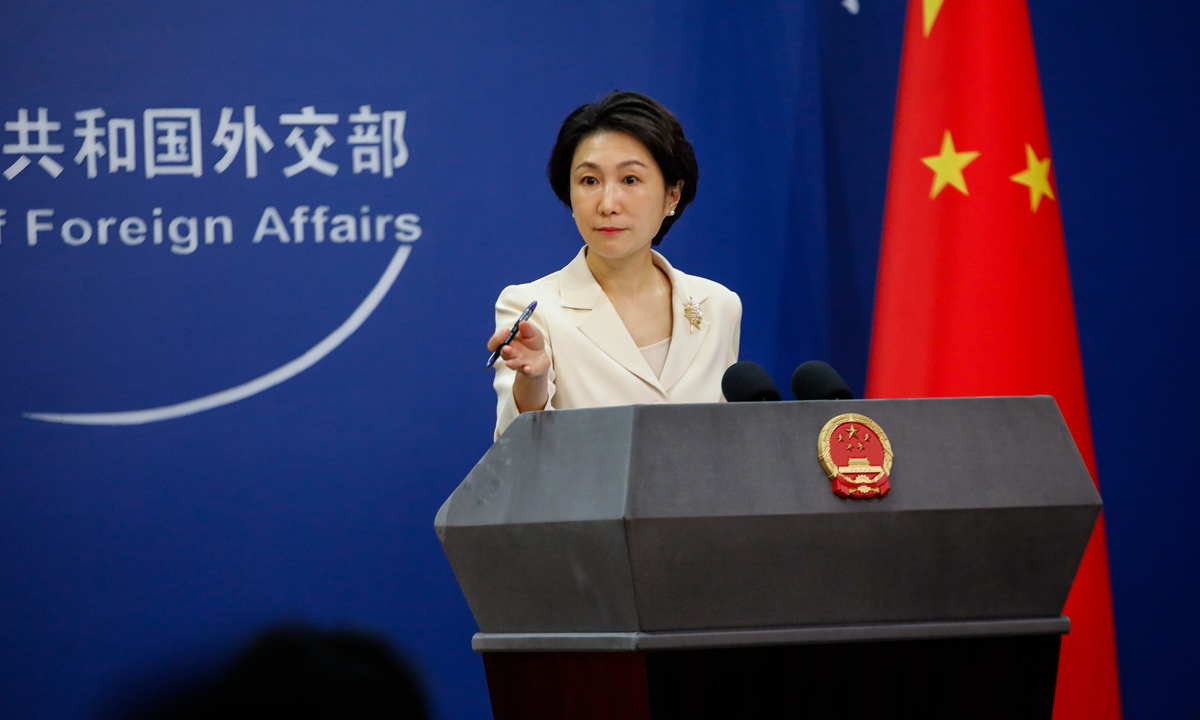
Additionally, another report from the Chinese Foreign Ministry describes a meeting between Vice Foreign Minister Ma Zhaoxu and Australia's Secretary of the Department of Foreign Affairs and Trade, Jan Adams. The bilateral discussions covered China-Australia relations and shared concerns in international regional issues, highlighting China's intent to maintain a dialogue with key regional players while pursuing its strategic objectives in the South Pacific.
These developments indicate China's multifaceted approach to solidifying its presence in the South Pacific, blending diplomatic, economic, and cultural strategies. For international markets and investors, this could mean increased Chinese investment in regional infrastructure projects and potential shifts in trade routes. For policymakers in the US and EU, China's growing influence in the Pacific necessitates a reassessment of strategic priorities and alliances in the region. The broader strategic implication is a potential rebalancing of power in the Asia-Pacific, affecting global trade patterns and geopolitical stability.
US-Russia Talks on Ukraine Crisis Highlight Global Energy and Security Concerns
Recent diplomatic engagements between the United States and Russia have brought the ongoing Ukraine crisis into sharp focus, with significant implications for global energy markets and international security arrangements. Two distinct narratives emerge from the coverage by Xinhua and Sina, reflecting differing perspectives on the outcomes and intentions of these high-level discussions.
Xinhua reports on a phone conversation between Russian President Vladimir Putin and U.S. President Donald Trump, emphasizing Russia's strategic military confidence in Ukraine and its commitment to long-term peace through political avenues. The article highlights Russia's willingness to increase oil exports to the U.S. and global markets, potentially easing international energy prices. This development is crucial for international markets, as increased Russian oil supplies could stabilize or even lower global oil prices, impacting inflation and energy costs worldwide.
Meanwhile, Sina provides a detailed account of a six-hour meeting in Miami involving representatives from the U.S., EU, and Ukraine, focusing on formulating a unified proposal to end the Ukraine conflict. The discussions covered energy resilience, food exports, and security guarantees, with a significant emphasis on preparing for the upcoming winter. The potential for Ukraine's integration into the EU was also explored, which could have far-reaching effects on European geopolitical dynamics and security frameworks.
Both articles underscore the broader strategic implications of these talks. For the U.S. and EU, finding a resolution to the Ukraine crisis is pivotal not only for regional stability but also for maintaining energy security and economic growth. The potential increase in Russian oil exports, as noted by both sources, could alleviate some economic pressures but also complicate geopolitical alignments, particularly in light of ongoing sanctions.
International readers should be aware that these developments could influence global markets, with possible shifts in energy prices affecting everything from consumer costs to industrial production. Additionally, the evolving security landscape in Europe could prompt policy adjustments in the U.S. and EU, impacting international trade and diplomatic relations.
Overall, the dialogues between the U.S. and Russia, as portrayed by Xinhua and Sina, highlight the intricate interplay between military strategy, economic interests, and diplomatic efforts in addressing the Ukraine crisis. The outcomes of these talks could shape international policies and market conditions in the coming months, underscoring the importance of sustained diplomatic engagement in mitigating global conflicts.
China's New Productive Forces Strategy and Its Global Implications
On October 9, the Chinese government unveiled its opinion document on developing new productive forces, a strategy aimed at reshaping China's economic growth model. This initiative seeks to integrate technological innovation with industrial transformation, emphasizing the creation of advanced production systems that prioritize quality and efficiency over sheer scale.
Under the leadership of Xi Jinping, the concept of 'new productive forces' has been positioned as a cornerstone of China's modernization efforts. The strategy focuses on fostering breakthroughs in key technologies and enhancing China's global competitiveness. This represents a shift from traditional growth models to one driven by high-tech innovation, industrial upgrading, and sustainable development.
The global implications of this development are significant. For international markets and investors, China's shift towards high-quality growth could lead to increased demand for advanced technologies and materials, presenting opportunities for collaboration and investment. However, it also intensifies competition in sectors such as artificial intelligence, quantum information, and new energy, where China aims to establish a leading position.
From a policy perspective, this strategy may influence the US, EU, and other regions to reassess their own industrial policies and innovation strategies, particularly in areas where they compete directly with China. The emphasis on technological self-reliance and innovation echoes global trends towards securing critical supply chains and reducing dependencies, which could lead to shifts in global trade dynamics.
International readers should take note of how China's focus on new productive forces could reshape global supply chains and influence international regulatory frameworks. As China accelerates its technological advancements, countries worldwide may need to adapt to the evolving landscape, ensuring they remain competitive and aligned with emerging standards.
Overall, China's strategy to develop new productive forces underscores its ambition to transition into a high-tech, modern economy. This move not only impacts the domestic landscape but also sets the stage for broader geopolitical and economic shifts, as nations grapple with the challenges and opportunities presented by China's evolving role on the world stage.