China's Strategic Moves: Nuclear Parity, AI Expansion, and Geopolitical Maneuvers; Global Health and Security Concerns Rise
US Nuclear Policy and China's Strategic Advances: Global Implications
Recent discussions surrounding the United States' stance on nuclear weapon use reveal complex geopolitical dynamics with significant global ramifications. Xinhua reports that President Trump stated the U.S. would not use nuclear weapons against Iran, emphasizing reliance on non-nuclear options such as the 'Mother of All Bombs'. This reflects a strategic choice that could influence military posturing and defense policies globally, reassuring allies and adversaries about U.S. restraint in nuclear engagement.
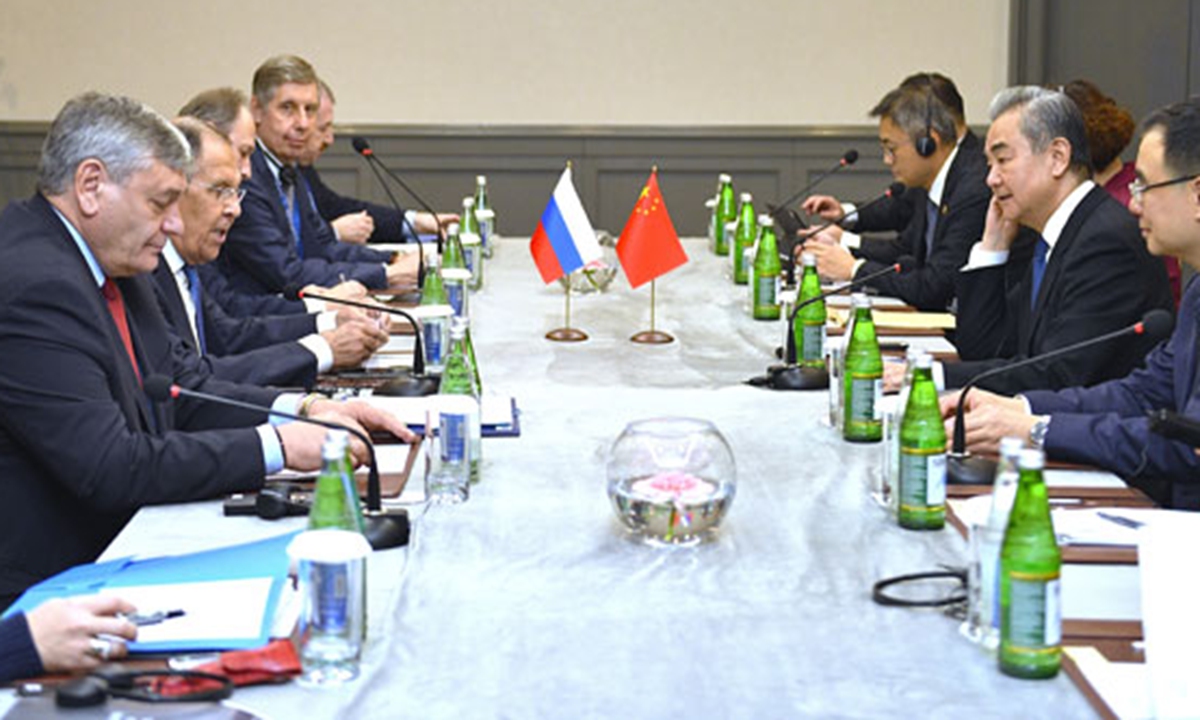
In contrast, Liberty Times highlights U.S. President Trump's efforts to engage China and Russia in dialogues towards denuclearization, stressing China's potential to match U.S. nuclear capabilities within five years. This narrative underscores a shifting power dynamic that could alter international arms control frameworks and challenge existing non-proliferation treaties. It signals to international markets and policymakers the urgency of addressing nuclear parity and its implications for global security.
Meanwhile, CCTV reiterates the U.S. assurance of not deploying nuclear weapons against Iran, aligning with Xinhua's portrayal but offering limited new insights. This uniform message across Chinese state media suggests an intention to project stability and predictability in U.S. military strategies.
The synthesis of these articles indicates a multifaceted geopolitical landscape where nuclear capabilities, strategic dialogues, and military innovations are pivotal. For international businesses and investors, these developments could impact defense contracts, influence geopolitical risk assessments, and shape future economic policies. Policymakers in the U.S., EU, and beyond must consider these dynamics in crafting foreign and defense strategies, balancing deterrence with diplomacy to maintain global stability.
Russian Plague and Monkeypox Investigations: Global Health Concerns and Their International Implications
Recent reports from The New York Times and Xinhua News Agency have highlighted crucial developments in Russia regarding potential public health threats. The New York Times article delves into the mysterious operations of a Russian plague research laboratory, raising concerns about systemic secrecy and potential safety lapses. This has significant implications for global biosecurity, as the lab's activities could pose risks of pathogen leaks that may affect international health systems and necessitate heightened bio-surveillance measures worldwide.
In a parallel narrative, Xinhua News Agency reports on a suspected monkeypox outbreak in Moscow's Oblast, where local health authorities have initiated epidemiological investigations and implemented comprehensive containment measures. The swift response underscores the region's capability to address emerging health threats, yet it also signals the potential for cross-border health risks, especially if the virus were to spread beyond Russia's borders. This situation is a reminder of the interconnected nature of global health, where outbreaks in one region can quickly become international concerns, influencing public health policies in the US, EU, and other regions.
Both articles, while focusing on different aspects of Russian health crises, highlight the need for international cooperation and transparency in managing infectious diseases. As the world recovers from the COVID-19 pandemic, these developments serve as a stark reminder of the continuous vigilance required to prevent future pandemics. They also stress the importance of robust international health regulations and the role of organizations like the World Health Organization in facilitating cross-border collaboration and information sharing.
Yemen Conflict Escalates: Houthi Attacks on Aden's Presidential Palace Highlight Regional Instability and Global Maritime Concerns
Recent developments in Yemen's ongoing conflict have once again brought international attention to the region's instability, particularly concerning the strategic Bab el-Mandeb Strait. On October 15, Houthi forces launched a missile attack on the Al-Maashiq Palace in Aden, Yemen’s temporary capital, resulting in casualties and highlighting the fragile state of Yemen's government. According to Liberty Times, the attack killed five people and injured 16, including security and government personnel. This attack marks a significant escalation in the conflict, as it is the first direct assault on this government building since renewed hostilities in recent months.
Similarly, Sina News reported that six missiles struck the presidential palace during a government meeting, emphasizing the boldness and precision of the Houthi offensive. The Houthis justified their actions as a legitimate response to military operations against them, highlighting the continuation of a cycle of violence that has plagued Yemen for years.
The implications of these attacks extend beyond Yemen's borders, posing significant risks to international maritime routes. The Bab el-Mandeb Strait is a critical chokepoint for global oil shipments and commercial trade. Disruptions here could have cascading effects on international markets, potentially increasing shipping costs and oil prices. The United Nations Security Council condemned the attacks, underscoring the need to maintain the safety of civilian infrastructure and the free flow of commercial navigation in this vital corridor.
From a geopolitical perspective, the conflict in Yemen remains a proxy battleground for regional powers, further complicating international diplomatic efforts. The involvement of Saudi-led coalitions and Iranian-backed Houthis reflects broader Middle Eastern power struggles, which continue to challenge U.S. and EU foreign policies aimed at stabilizing the region.
International readers should be aware of the broader strategic implications. As the conflict persists, the potential for humanitarian crises grows, threatening millions of lives and adding pressure on global humanitarian aid. Furthermore, the increased militarization of the Red Sea region could lead to more frequent confrontations, impacting global security and trade.
US Orders Starshield Service Restrictions in Ukraine Amid Rising Tensions with Russia
Recent developments underscore the geopolitical tensions surrounding the use of SpaceX's Starshield satellite communication system in Ukraine. According to Liberty Times and Sina, the White House has issued orders to limit the operation of Starshield, a military-grade version of the Starlink service, used by Ukraine for battlefield communications and drone operations. This decision appears to come from the upper echelons of the US government, although officials have not disclosed the specific decision-makers involved.
The restriction affects Ukraine's ability to effectively utilize high-speed mobile Starshield receivers, which are critical for the operational performance of its drones. The slowdown in service speed poses a challenge for Ukraine's military operations against Russian forces, potentially complicating their strategic objectives in the region.
These developments indicate a broader strategic recalibration by the US, likely in response to the escalating energy and geopolitical tensions involving Russia. The US administration has been pressuring Ukraine to halt attacks on Russian oil facilities, as highlighted by Liberty Times, which notes the potential impact on global energy prices and domestic political considerations in the US.
From an international perspective, the restriction on Starshield services can affect global markets and investors, particularly in the technology and defense sectors. The move could signal a tightening of US control over technology exports and military support, which might influence the strategic calculations of other countries involved in similar conflicts or reliant on US technology.
For the EU and other regions, this decision could necessitate a reassessment of their own defense and technology policies, especially concerning reliance on US-based systems. The broader strategic implications include a potential shift in the balance of power in Eastern Europe, as well as the dynamics of US-China-Russia relations, where technology and military capabilities play a crucial role.
China's AI Manufacturing and Content Creation: Implications for Global Markets and Policies
The recent developments in China's AI sector, as highlighted by two major articles, underscore the country's strategic pivot towards integrating artificial intelligence across manufacturing and digital content creation. These movements have significant implications for global markets, businesses, and international policy frameworks.
Xinhua reports on the 26th China International Industry Fair in Shanghai, where the focus was on AI-driven advancements in manufacturing. The fair showcased over 300 new products with a strong emphasis on smart manufacturing capabilities. Notably, the introduction of robots like the JAKA Kargo, which can perform complex tasks autonomously, reflects China's ambition to lead in high-tech manufacturing. This development is crucial for international markets as it could redefine global supply chains, potentially lowering manufacturing costs and increasing the efficiency of production processes worldwide.
The fair also highlighted China's commitment to fostering innovation chains, industry chains, and talent exchanges, which are vital for sustaining long-term economic growth. International businesses and investors should closely monitor these advancements as they can influence global competitive dynamics and necessitate adjustments in investment strategies.
On the other hand, Tencent highlights the burgeoning AI content creation industry in China, noting that over half of the country's AI computational power is dedicated to creating digital content such as short films and videos. This trend indicates a shift in AI application from traditional research and development to entertainment and media, with profound implications for global digital content markets. The report suggests that China's AI-driven content creation industry is set to dominate the global market, with projections of the market reaching $180 billion by 2025, of which China is expected to account for a significant share.
For international policymakers, these developments pose questions about digital content regulation, intellectual property rights, and the ethical use of AI in media. The rapid growth in AI-generated content could lead to increased competition in the global media landscape, necessitating strategic responses from media companies and regulators in the US, EU, and other regions.
In summary, China's advancements in AI manufacturing and content creation are not only reshaping its domestic industries but also exerting influence on global markets and policies. International stakeholders must consider these developments in their strategic planning, as they hold the potential to alter economic, technological, and regulatory landscapes worldwide.
Chinese Beverage Safety Concerns Highlight Regulatory Scrutiny and Global Implications
Recent reports from Chinese media outlets, including CCTV and Sina, have brought attention to food safety issues surrounding the popular beverage brand 'Zhenjingguo'. Both articles report on the emergence of black block-like foreign objects found in the drink, prompting investigations by local market regulatory authorities in Sichuan's Xuanlian County.
This incident underscores the ongoing challenges China faces in ensuring food safety standards, which are critical not only for domestic consumer protection but also for maintaining international confidence in Chinese products. In the context of global supply chains, such safety concerns can have ripple effects, potentially influencing international trade relationships and consumer perceptions abroad. For international markets and investors, this highlights the importance of robust quality control mechanisms and the potential impact of regulatory scrutiny on product reputation and market access.
Both CCTV and Sina have sourced their information from the same regulatory announcement, indicating a coordinated media approach to inform the public and reassure consumers about the steps being taken to address the issue. The focus on regulatory action reflects China's broader efforts to enhance its food safety framework, which is crucial for its aspirations to expand its export markets.
For policymakers in the US, EU, and other regions, this development may serve as a reminder of the interconnectedness of global food systems and the importance of collaborative efforts in upholding food safety standards. It also raises questions about the transparency and effectiveness of China's regulatory processes, which are of significant interest to international stakeholders monitoring China's compliance with global safety norms.
China's Diplomatic Maneuvers in the Middle East and South China Sea: Global Implications
Recent developments reflect China's strategic positioning in key geopolitical hotspots, namely the Middle East and the South China Sea, with broader implications for international relations and global markets.
In a statement reported by Xinhua, China has called for de-escalation in the Middle East, emphasizing the need for international cooperation to maintain regional stability. China's representative at the UN, Fu Cong, underscored the importance of dialogue and negotiation, particularly highlighting the Israeli-Palestinian conflict as central to Middle Eastern peace. This approach aligns with China's broader foreign policy of promoting stability through multilateralism and could influence how international markets perceive risk in the region. China's active involvement may also signal to the US and EU the need for a coordinated response to ensure regional economic stability, particularly concerning energy supply chains.
Meanwhile, tensions have flared between China and the Philippines over territorial disputes in the South China Sea. As reported by Liberty Times, China's ambassador to the Philippines made remarks perceived as threatening, suggesting that China could easily win any conflict. This rhetoric has been criticized by the Philippine government and has led to a temporary suspension of military communication channels. Such incidents highlight the growing friction in the region, which could disrupt maritime trade routes vital for global commerce. This situation calls for increased diplomatic engagement from ASEAN and Western powers to prevent escalation, ensuring that supply chains remain uninterrupted.
The contrasting narratives from these publications illustrate China's dual approach: advocating for peace and stability in the Middle East while simultaneously asserting its territorial claims in the South China Sea. For international businesses and policymakers, these developments underscore the importance of monitoring China's foreign policy as it directly influences regional stability and international trade dynamics. Investors, particularly those in sectors reliant on stable shipping routes and energy supplies, should be attentive to these geopolitical shifts, as they hold significant implications for market stability and policy formulation.